Why Personalized Strength and Conditioning Training Is the Key to Better Athletic Performance
Athletic performance is about much more than lifting heavier weights or running faster. Whether you are a professional athlete, a young sports enthusiast, or someone looking to improve overall fitness, developing strength, mobility, endurance, and coordination is essential for long-term success. The right training approach helps you perform better, move more efficiently, and build the physical foundation needed to achieve your goals.
At Kaizen Athletic Performance, the focus is on continuous improvement through personalized, science-based strength and conditioning programs. Instead of following generic workout routines, athletes receive training strategies designed around their individual abilities, weaknesses, goals, and physical demands.
Let’s explore why personalized strength and conditioning training can make a significant difference in athletic development.
1. Build Strength and Power for Better Performance
Strength is one of the most important foundations of athletic performance. Almost every sport requires athletes to generate force, maintain stability, and control their body during demanding movements.
Developing functional strength can improve sprinting, jumping, throwing, tackling, lifting, and overall movement efficiency. However, strength training should be approached strategically rather than simply focusing on lifting heavier weights.
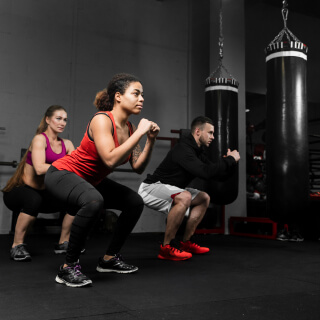
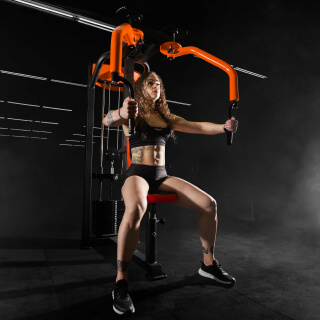
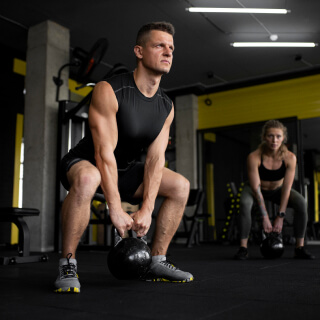
A well-designed strength and conditioning program incorporates exercises that develop muscular strength, explosive power, stability, and coordination. Progressive resistance training allows athletes to gradually increase their physical capabilities while maintaining proper technique.
At Kaizen Athletic Performance, training programs emphasize building a strong physical foundation before progressing toward more advanced performance goals.
2. Improve Speed, Agility, and Athletic Movement
Speed and agility are essential qualities in sports such as soccer, basketball, volleyball, baseball, and combat sports. Athletes need to accelerate quickly, change direction efficiently, react to opponents, and maintain control during high-intensity movements.
Sport-specific speed and agility training focuses on improving these abilities through structured drills and movement exercises.
Important areas include:
- Acceleration: Developing the ability to reach higher speeds quickly.
- Change of Direction: Improving control while moving in different directions.
- Reaction Time: Responding effectively to changing situations during competition.
- Coordination: Improving communication between the nervous system and muscles.
- Movement Efficiency: Learning to move with better control and technique.
Consistent practice of these movement patterns can help athletes become more responsive, confident, and efficient in their respective sports.
3. Reduce Injury Risk Through Proper Training
Injuries can interrupt training schedules, affect athletic performance, and sometimes keep athletes away from competition for extended periods.
Although no training program can eliminate every injury risk, appropriate strength and conditioning can help improve physical preparedness and address certain weaknesses that may contribute to injuries.
A comprehensive injury prevention approach may include:
- Strengthening muscles around the knees, shoulders, and hips.
- Improving core stability and body control.
- Developing balanced muscular strength.
- Improving flexibility and mobility where needed.
- Practicing proper movement mechanics.
- Gradually increasing training intensity and workload.
Individual assessments help identify movement limitations and areas that may require additional attention.
At Kaizen Athletic Performance, injury prevention programming is designed around individual needs, helping athletes build resilience and maintain consistent training habits.
4. Why Mobility and Stability Matter
Strength alone does not guarantee good athletic performance. Athletes also need sufficient mobility and stability to perform movements effectively.
Mobility refers to the ability to move joints through the necessary range of motion with control. Stability involves maintaining proper positioning and control during movement.
For example, a basketball player needs hip and ankle mobility to change direction efficiently. A volleyball player requires shoulder mobility and stability for repeated overhead movements. Similarly, a weightlifter needs adequate mobility and trunk control to perform demanding lifts safely.
Combining mobility exercises, stability training, and resistance exercises creates a more balanced approach to physical development.
These elements can also benefit everyday activities, helping individuals move comfortably and maintain physical independence as they age.
5. Personalized Training Delivers More Meaningful Progress
Every athlete has different physical capabilities, training experience, and performance goals. A workout routine that works well for one person may not be appropriate for another.
This is why personalized programming plays such an important role in athletic development.
Before developing a training plan, it is important to understand an individual’s current fitness level, movement patterns, strengths, weaknesses, and objectives.
A personalized program can then focus on the areas that require the most attention.
For example:
- A competitive athlete may prioritize strength, power, and sport-specific conditioning.
- A young athlete may focus on coordination, movement fundamentals, and age-appropriate strength development.
- An individual returning to exercise may need to rebuild strength, mobility, and cardiovascular fitness gradually.
- Someone focused on body composition may benefit from combining resistance training, conditioning, and sustainable nutrition habits.
This individualized approach makes training more purposeful and helps athletes work toward measurable improvements.
6. Conditioning and Endurance for Long-Term Performance
Strength and speed are important, but athletes also need the ability to maintain performance throughout demanding training sessions and competitions.
Conditioning improves the body’s ability to sustain physical activity and recover between periods of intense effort.
A properly structured conditioning program may include cardiovascular exercises, interval training, sport-specific drills, and controlled endurance sessions.
The intensity, duration, and frequency of conditioning should depend on the athlete’s sport, training experience, and recovery capacity.
For combat athletes, conditioning may focus on repeated high-intensity efforts and maintaining output throughout multiple rounds. For field and court athletes, it may emphasize acceleration, recovery, and repeated changes in movement intensity.
The goal is to develop the physical capacity required by the sport without creating unnecessary fatigue.
7. The Importance of Consistency and Continuous Improvement
The philosophy behind Kaizen is constant and never-ending improvement. This principle is equally valuable in athletic development.
Meaningful results rarely happen overnight. Strength, speed, endurance, and movement quality improve through consistent training, appropriate progression, and continuous evaluation.
Athletes should focus on establishing realistic goals, following structured programs, tracking progress, and making adjustments when necessary.
Performance assessments can help identify improvements and determine which areas need additional attention.
Rather than constantly changing workout routines, athletes benefit from following a well-planned training strategy that evolves as their abilities improve.
Small improvements, repeated consistently, can contribute to significant long-term progress.
Take the Next Step Toward Better Athletic Performance
Becoming a better athlete requires more than motivation. It requires the right training strategy, professional guidance, consistency, and a commitment to improvement.
Whether your goal is to build strength, improve speed and agility, develop endurance, reduce injury risk, or enhance overall fitness, personalized strength and conditioning can help you work toward your full potential.
Kaizen Athletic Performance is committed to helping athletes and fitness enthusiasts develop stronger, more capable bodies through individualized training and performance-focused coaching.
Don’t settle for random workouts or one-size-fits-all fitness routines. Invest in a training approach built around your goals and take the next step toward becoming a stronger, faster, and more resilient athlete.
Ready to improve your performance? Contact Kaizen Athletic Performance today and start building a smarter training plan.