Youth Athletic Development: Building Stronger, Faster, and More Confident Young Athletes
Developing athletic ability at a young age is about much more than winning games or becoming the fastest player on the team. It is about building a strong physical foundation, learning proper movement techniques, improving coordination, and developing the confidence needed to succeed in sports and everyday life.
Young athletes experience significant physical and developmental changes as they grow. Providing the right training environment during these years can help them develop essential athletic skills while establishing healthy habits that support long-term performance.
At Kaizen Athletic Performance, youth athletic development focuses on age-appropriate strength training, coordination, mobility, and movement fundamentals. With structured coaching and individualized training strategies, young athletes can work toward becoming stronger, faster, and more physically prepared for their chosen sports.
1. Why Youth Athletic Development Matters
Many young athletes participate in organized sports without receiving structured athletic development training. Although regular sports practice improves game-specific skills, it may not address every physical quality required for long-term athletic success.
Youth athletic development fills this gap by focusing on fundamental movement patterns and physical abilities.
A well-designed program helps young athletes develop:
- Strength and muscular control.
- Speed and acceleration.
- Balance and coordination.
- Flexibility and mobility.
- Agility and reaction time.
- Body awareness and movement confidence.
These abilities create a foundation that can support participation in different sports while helping young athletes become more physically capable.
2. Developing Strength the Right Way
Strength training is often misunderstood when it comes to children and teenagers. Some parents worry that resistance training may be inappropriate for young athletes. However, properly supervised, age-appropriate strength training can be an important part of athletic development.
The focus should always be on technique, movement quality, and gradual progression rather than lifting the heaviest possible weight.
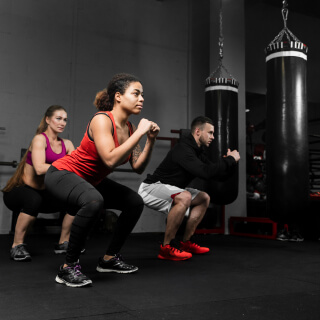
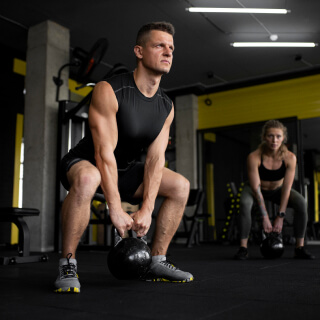
Training may include bodyweight squats, lunges, push-ups, controlled resistance exercises, core stability movements, and other exercises appropriate for the athlete’s development level.
Developing strength can help young athletes maintain better body control, produce force more efficiently, and handle the physical demands of sports.
The objective is not to rush physical development but to build a strong foundation that supports future progress.
3. Improve Speed, Agility, and Coordination
Speed and agility are valuable in almost every competitive sport. Whether a young athlete plays soccer, basketball, baseball, football, or volleyball, the ability to accelerate, change direction, and react quickly can influence overall performance.
Youth speed and agility training introduces athletes to essential movement skills through structured drills.
These may include:
Acceleration Drills: Help athletes practice producing force and building speed from a stationary position.
Agility Ladder Exercises: Encourage better footwork, rhythm, balance, and coordination.
Change-of-Direction Training: Develops the ability to control body movement while turning, stopping, and accelerating.
Reaction Drills: Challenge athletes to respond to visual or verbal signals and changing situations.
Jumping and Landing Mechanics: Teach proper movement control during explosive activities.
Consistent practice can help young athletes become more coordinated and efficient in their movements.
4. Injury Prevention Starts With Proper Movement
Young athletes often participate in multiple practices, competitions, and physical activities throughout the year. Without appropriate preparation and recovery, repetitive physical demands can contribute to overuse injuries and movement-related problems.
Although injuries cannot always be prevented, appropriate training can help athletes improve physical preparedness and movement control.
An effective injury prevention program may include:
- Strengthening important muscle groups.
- Improving hip, ankle, and shoulder mobility.
- Developing core stability.
- Practicing proper landing techniques.
- Improving balance and coordination.
- Managing training intensity and recovery.
Individual assessments can also help identify movement limitations and areas that may need additional attention.
At Kaizen Athletic Performance, assessment-driven training helps create programs that address individual needs rather than relying on generic exercise routines.
5. Build Confidence Through Consistent Progress
Athletic development is not only physical. Confidence, discipline, and a positive attitude are equally important parts of becoming a successful athlete.
When young athletes learn new movements, improve their technique, and achieve realistic performance goals, they begin to develop greater confidence in their abilities.
Structured training also teaches valuable life skills, including:
- Discipline and consistency.
- Patience and perseverance.
- Goal setting.
- Accountability.
- Teamwork and sportsmanship.
Coaches play an important role in creating a supportive environment where young athletes can learn, make mistakes, and improve without unnecessary pressure.
The focus should remain on personal development rather than comparing progress with other athletes.
6. Why Sport-Specific Training Is Important
Different sports require different physical abilities. A soccer player needs acceleration, endurance, and repeated changes of direction. A basketball player benefits from jumping ability, lateral movement, and coordination. A baseball player requires rotational strength, throwing mechanics, and explosive power.
Sport-specific training helps young athletes develop the physical qualities most relevant to their chosen activities.
However, early athletic development should not focus exclusively on one sport or repetitive movements. Building a broad range of physical abilities can support balanced development and prepare young athletes for different physical challenges.
A qualified coach can help determine the appropriate balance between general athletic development and sport-specific training.
7. The Importance of Personalized Coaching
Every young athlete develops at a different pace. Age, physical maturity, experience, current fitness levels, and individual goals all influence training requirements.
This is why personalized coaching is important.
Before developing a training program, coaches should understand the athlete’s movement abilities, training history, sport-specific requirements, and development goals.
Based on this information, a suitable program can be created with appropriate exercises, training intensity, and progression.
At Kaizen Athletic Performance, youth athletic development is designed around age-appropriate strength, coordination, and movement training. The goal is to help young athletes develop their physical abilities through structured and individualized coaching.
Start Building a Stronger Athletic Foundation Today
Great athletic performance begins with the right foundation. Developing strength, speed, agility, coordination, and movement quality at a young age can help athletes prepare for the physical demands of sports while building confidence and lifelong fitness habits.
At Kaizen Athletic Performance, the focus is on continuous improvement through structured coaching and individualized athletic development.
Whether your child is beginning their athletic journey or already participating in competitive sports, the right training approach can help them work toward their potential.
Give young athletes the opportunity to train smarter, move better, and build the skills needed for long-term success.
Contact Kaizen Athletic Performance today to schedule an assessment and learn more about youth athletic development programs.