Neurotransmitter Profiling

As I have always preached, every person is highly individual. Every goal, every hormone, every gene, every response to training and every nutritional need is personal. Most of these factors are easy to adjust to, but the most challenging of which can often times be the precise training that each individual requires in order to expedite results and training enjoyment.

In Coach Charles Poliquin’s course, Neurotransmitter Profiling, I discovered the ultimate test to easily adapt anyone’s training to their particular needs, called the Braverman Test. To the ordinary person, this test can seem rather limited in information regarding training, but it can help me to know how often to rest someone, the repetition ranges that will benefit each individual more precisely and how often to adapt and adjust parameters.

I am immensely excited to put this knowledge to practice and continue to give my athletes, fat loss and weight gain clientele the best results possible in the shortest time possible!

Continued Learning

I have been bitten by the knowledge bug. I can’t stop and won’t stop learning. I love learning about strength training, customizing for individualizing to the greatest possible extent, health, nutrition, business, and the list goes on. I am truly excited for an upcoming seminar in Los Angeles from one of, if not the, greatest Strength & Conditioning Coach ever, Charles Poliquin.

Here, Coach Poliquin writes about his stumbling upon one of the answers that brought his programming a great deal closer to perfection. This is an amazing article for anyone to read, but can truly put individualization to the forefront of any Coach’s toolbox. He explains how our neurological profiling can dictate a person’s needs during training and even goes over supplementation for deficiencies in hormones. All of this can be found out through a simple pen and paper test!

Neuro Profile Based Program Design

Youth Baseball Athlete Development and Maintaining Health

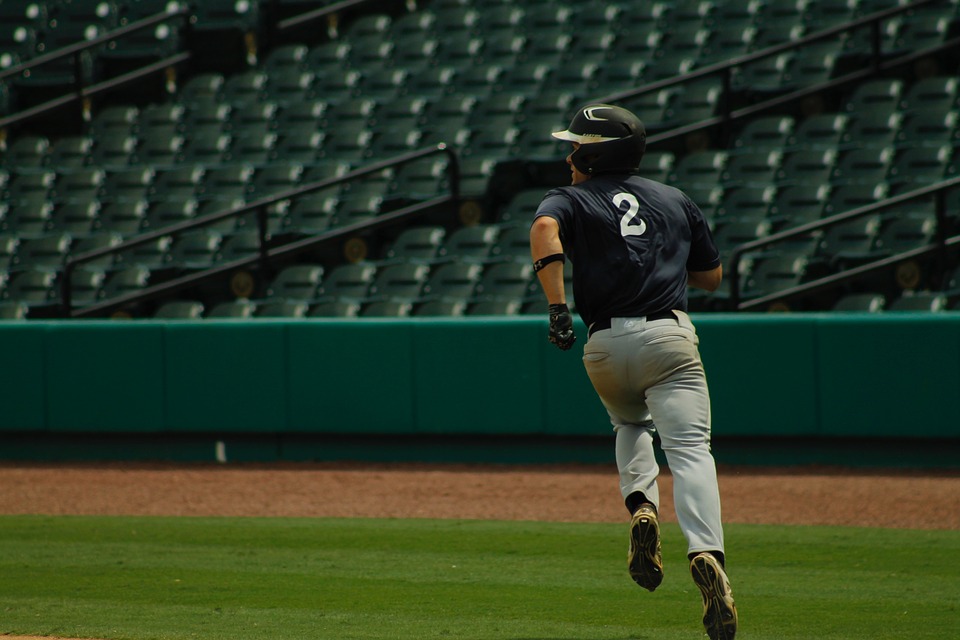
Spring marks the start of a new baseball season. With Youth baseball just beginning to get underway, many of my young ball players are leaving me to focus on their season. Professional baseball players have been gone for 2-4 weeks. High school baseball has been running for around 3 weeks and tough to keep up with, having athletes representing several schools in the Santa Monica and other Los Angeles areas.

I spoke recently about youth hockey development in the Los Angeles area and how training for hockey out here can pose many benefits to training on the hockey crazed east coast. Unfortunately, baseball is a whole different animal. The west coast is a power house at producing baseball players and as a result, many club baseball coaches like to take advantage of the desire parents have for their children to stay competitive by keeping them involved for as long as possible through the year. I’ve heard of some youth baseball players taking as little as 4 weeks a year off from throwing; and people wonder why there’s an epidemic of Tommy John surgeries in baseball and now other sports.

Proper strength training for little league baseball is critical. Proper training programs can help an athlete develop stronger tendons and muscles which can reduce the chance of requiring surgery. Any risks associated with sport performance and baseball in particular, especially, but not limited to shoulder health, are greatly reduced from a well monitored and individualized strength and conditioning program. Throwing strength and sprinting speed go up dramatically, which is vital for pitchers and position players being tested in their 60 yard sprint times.

Youth baseball or club baseball in the Los Angeles region pose its own negatives in an athlete’s health aside from the obvious shoulder and elbow problems it introduces. Just as mentioned in my post about youth hockey, which you can access in the link at the bottom of this entry, playing only one sport can set an athlete up for future failure, reduced athleticism and potential increases in injury due to lack of training other activities and movements. Strength and conditioning from a qualified coach can limit these risks if an athlete has decided to specialize at a younger age.

I have been fortunate to work with several professional baseball players, multiple collegiate, including the entire UCLA baseball program and elite level high school baseball athletes. These range from pitchers to position players, males and females alike. If you have any questions regarding training for your youth athlete, contact me today!

Youth Hockey Development in Los Angeles.

Hockey arena.

Developing the Youth Hockey Athlete in Los Angeles

Club Hockey in Los Angeles is just coming to a close as competitive teams are preparing for youth nationals in the next 2 weeks. Club hockey, just like other club sports, often make it difficult for the youth athletes to complete the training they need in the weight room. These club sports are often supplements to school sports and take up so much time that athletes no longer have the ability to play other sports and become well rounded, healthy, strong and high performing athletes, instead, becoming frail, specialized athletes with limited athletic ability that often perform extremely well initially, but due to lack of athleticism, tend to fall behind their peers quickly.

Specializing after one enters high school becomes ideal, but should often be supplemented with a proper strength and conditioning program in order to optimize performance through power, strength, stability, conditioning and prehabilitative work. One weakness in any of these previously mentioned traits, can increase an athlete’s risk for injury and significantly reduce longevity in sport, if one is looking to play collegiate and professional sports. Hockey in Southern California is a different animal. Because hockey is bigger on the East Coast, there is a lack of hockey programs in schools; this can be a blessing in disguise. Because of this forced time off from the sport, it often allows athletes to participate in other sports and strength and conditioning.

Hockey is an incredibly demanding sport. The amount of collisions that occur, liken it to football, so proper neck strengthening is vital to reduce the likelihood of concussions. I’m high impact sports, the stronger and more muscle an athlete has on their frame, the lower the risk of injuries. Due to the cast-like effect of wearing skates, which significantly reduce the range of motion of the ankle, a joint intended for mobility, the body often likes to take that mobility from other areas up the chain (often times, the knees). Exercises to strengthen the knees and mobilize the ankles are extremely important. Further, most power is created through the hamstrings, which are neglected in favor of the quadriceps during skating. This imbalance is vital to correct during periods of rest.

This is only touching the surface. Youth hockey in Los Angeles can set an athlete up for greater success than how hockey is ran on the East Coast, as long as one takes advantage of the other opportunities presented. Coach Ted has worked with multiple professional, collegiate and elite level high school hockey players over the years and has been trained by arguably the best hockey strength and conditioning coach in the world, Charles Poliquin.