Not Eating Enough Protein Can Lead to Early Death

Studies have shown that strength is an even more important predictor for longevity than any other factor, other than single leg balance. Fortunately, single leg balance can be improved more efficiently with a greater strength base.

As we age, our bodies go through significant changes. Around the age of 30, our metabolism begins to slow and our strength and power numbers begin to decrease. By the age of 60, we experience significant decays in strength and power; so much so, that strength into old age equates to living longer and happier lives. This means that it is vital to build a base of strength at younger ages.

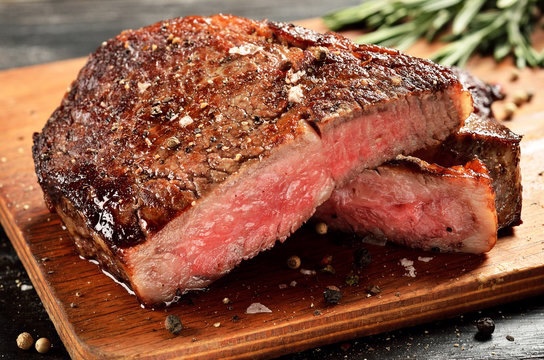
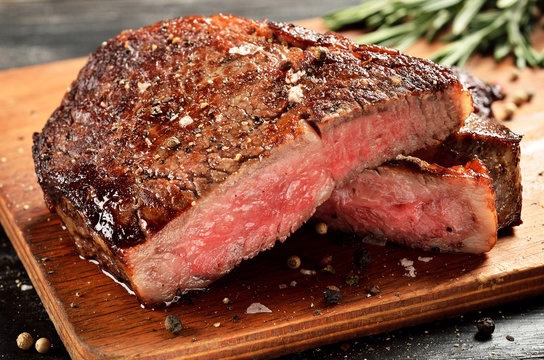
Newer research has pointed to the need for greater quantities of daily protein intake. The previous minimum recommended intakes are completely insufficient! This new research suggests consuming quantities of a minimum of 1 gram per pound of body weight desired, especially into older age. As we age, digestion and absorption decrease, which leads to a further increased need for protein. Unfortunately, most people do not realize how little protein they are actually consuming on a regular basis. If you have never bothered to track the amount of food you eat on a regular basis, I dare you to do so, even for one day. I’ve seen regular protein intakes of less than 30 grams a day! Further, it’s often even more difficult for vegetarians and vegans to obtain enough protein. Plant foods are also less bioavailable than meat, which creates a roughly 15% additional deficit.

Lots of people often supplement their diets (yes, I said ‘diet’, that’s because what a person eats on a regular basis is the true definition of a diet) with powdered protein supplements. This is one such way, although not ideal, to get that much closer to their goal. Nothing can beat whole, non-processed foods, but sometimes, getting enough protein is so difficult and limiting for a person, that this is the way to go.

I’ve had tremendous success boosting my client’s amino acid consumption using powders, but especially through the use of a product called Perfect Aminos. Perfect Aminos provide a significant amount of the amino acids that are necessary for building and repairing skin, muscle and tendon strength. Amino Acids are what comprise protein, so this product allows a person to acquire more of their necessary amino acids to maintain their muscle mass into old age, or help build more in young age.

Try out these two amazing protein products to help you with your goals!

Perfect Aminos by Body Health

Organic Whey Protein Isolate from Grass Fed Cows

Simplicity in Training

Standing on a BOSU while performing a single leg squat into a single arm cable row can seem different and fun, and in fact may be, but is it practical and effective?

Most trainees and new trainers desire the use of novel and different looking exercises in order to keep the “entertrainment” value at its highest. However, the exercises that have been used for hundreds of years, continue to be used for a reason and that is because they work!

The three primary lifts, the squat, the Deadlift and the bench press continue to be emphasized by most good coaches and the powerlifting community because they are amazing compound movements that utilize more muscle than most other exercises and there are more variations of these that can be alternated between to continue to create a novel response in the body. Of course, these exercises should be contraindicated under certain circumstances, but the goal will always be to get the most out of each exercise as possible. When an exercise uses a significant amount of muscle, it consequently helps to build more muscle overall, burn more calories during training. On top of this, repairing muscle requires more calories over the next 36 hours. For most of the population, including pull-ups in this category and even swapping the bench press for a shoulder press can often create a more safe and corrective protocol due to common imbalances created from sitting, cell phone use and inactivity.

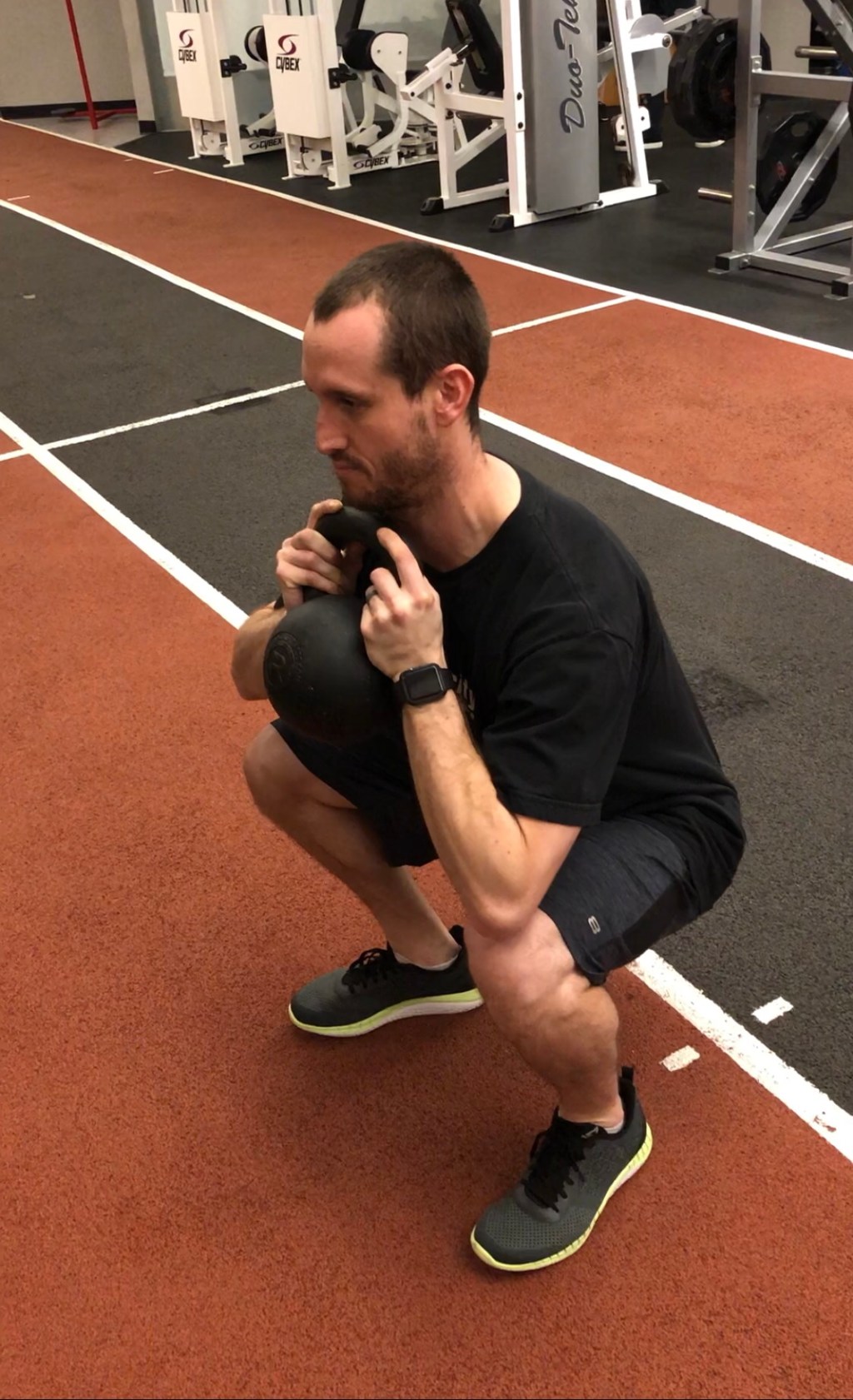
Sticking to the basics may not be new and incredibly entertaining, but it can help you to reach your goals much more quickly! Due to the unlimited options that each of these exercises offer, there can still be novelty in the movement on a semi-frequent basis. One such example can be taken from a squat. The squat can be taught as a goblet squat or a front squat initially, then transitioned to a high or low-bar back squat. The feet can be moved closer or further apart in order to change the targeted muscles. Heels can be flat or they can be elevated to an incredibly high angle to focus on training the VMO (Vastis Medialis Oblique) to a greater extent. The femurs can be neutral or externally rotated. Quarter repetitions can be included at the top, bottom or both portions of the movement. Tempos can be varied to include slow descents, ascents or isometric pauses at various stages of the movement. All of these changes elicit specific responses and having a great coach or the knowledge of how these can affect the muscle you are trying to target can further expedite results, without requiring complete changes in exercises

If you feel comfortable with your mechanics, trying some of these options out yourself can make a huge impact on your body’s ability to continue to respond to your training and reduce the risk of repetitive use injuries, such as tendinitis. If you want great results, occasionally vary your exercises and practice your technique. Safely performing compound movements without compensation and using the greatest range of motion safely possible, will make bigger differences in your training than just about anything else. As the great Michael Boyle frequently states, “Keep It Simple Stupid!”

The Human Adaptation Machine

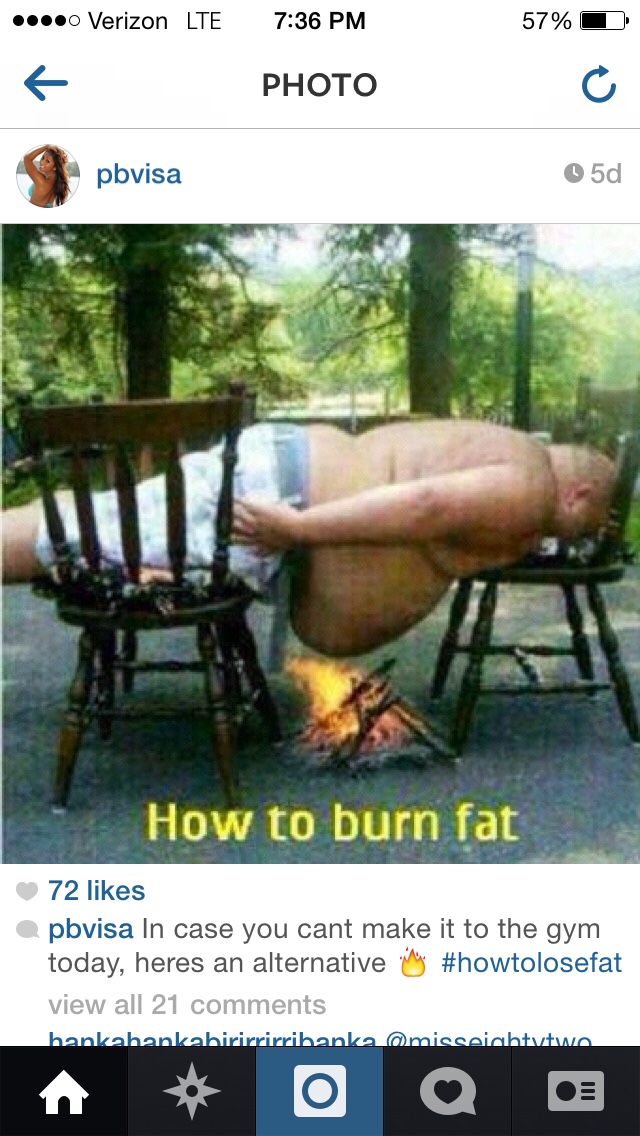
20 lbs of fat loss in 2 weeks! This is often a situation that many procrastinate their training and find themselves in.

The body is an adaptation machine. It will do anything that you ask of it, but will quickly find ways to enhance survivability. If your goal is to lose a significant amount of fat in a short period of time, chances are highly likely that much of the weight that you end up losing will actually come from muscle. In the long run, this creates multiple negative adaptations that then have to be fixed and often take longer than that 2 week cut in order to repair.

One common adaptation is that the body will increase its efficiency and require less calories to accomplish a task, such as running or even just sitting and therefore tends to store those calories more efficiently. Think of it this way, when you go for long periods of time without eating, the body wants to hold on to what little caloric input it receives, in order to help you survive more easily while waiting for your next meal.

Cultures that survive through hunting and gathering as we did tens of thousands of years ago, have been studied and it has actually been found that many of these people have very similar caloric expenditures to us, even though they tend to be significantly more active.

Further, muscle tissue is difficult enough to build, that when we drop calories so significantly, our body takes from this precious, costly tissue first. This makes it even more difficult to lose fat down the line since our primary metabolic tissue is now reduced. To make matters worse, it can often be challenging to rebuild the body’s natural metabolic levels when such severe calorie restrictions are implemented. Many bodybuilders for example go through extreme weight cuts for competition and after each show, tend to have a more difficult time cutting weight for subsequent shows. Sometimes these people start their first cut between 1,800 and 2,500 calories, but by their third show, have to drop their calories down to 1,000 to 1,400 calories. Some people can take over a year to rebuild their metabolism and return to normal functioning levels.

In this fat loss example, slow and steady wins the race, especially if you can lose weight and maintain high caloric intakes. I know I hate to be hungry for too long!

This rule doesn’t just apply for cutting fat though. When using an athlete for example, if my athlete’s goals are to increase their vertical jump, making sure that all of the right pieces are in place, including exercises, health, body fat level, strength, and limb strength discrepancies are as ideal as possible, will help create those sustained levels of growth throughout their career.

When focusing solely on power for example, some rapid games can be made, however, if not done in the right order and all of the other pieces are not in place, results can stall out quickly and that human adaptation machine can quickly take over. Just as with calories, attempting to jump too much without creating a stable strength base, will reduce future positive adaptations to that type of stimulus and can reduce results in the future.

It is vital that every part of your health and fitness be taken into consideration and implemented systematically. That is what a good coach will do in order to reduce your likelihood of failure and to help you achieve the goals that you would like to reach. Just make sure to give them more than two weeks to help you achieve those goals!

The Importance of Fat!

Several decades ago, the food industry and “health specialists” began to promote the increased consumption of carbohydrates and reduction in fat consumption. Since then, the obesity epidemic has begun to rise.

Fat is a vital part of our diet and just as consuming fiber when it comes to carbohydrates, fat can slow digestion and help keep you satiated longer. When processed carbohydrates are consumed, especially in the absence of healthy fats, cravings for unhealthy goods tend to rise, especially later in the day. As a result of consuming copious amounts of healthy fats, cravings can be decreased immensely.

Animal fats can also be incredibly healthy. Grass fed meats often contain higher amounts of omega threes, which can actually reduce inflammation. Most toxins are stored in fat cells when they cannot be excreted by the liver and animals fed diets much closer to their natural environment, are exposed to significantly fewer toxins than those traditionally raised by farmers, so their fats are often highly nutritious.

Fat and cholesterol are necessary for hormonal production and cell production. Without fat, testosterone in males quickly takes a nosedive and low-cholesterol diets can negatively affect every cell and tissue in the human body.

Consuming carbohydrates in the absence of fat can increase insulin response in the body and thus decrease insulin sensitivity, which forces the body to hold on to fat more easily and increase risk of diabetes.

In the end, although fat does contain more calories per gram than a protein or carbohydrates, it keeps you significantly more full, requiring less calories in the end and positively affects hormonal levels, especially when consumed in healthy varieties.

In combination with my last blog post, you should now have a better base understanding of why it is extremely important to consume fats in your diet and how the excess consumption of carbohydrates has led to many negative health effects in the Western world. Start implementing healthy fats such as grass fed meats, olive oil, coconut oil and avocado oil, in your diet and you should see increases in health and more easily control weight loss or weight gain!

What is a Carbohydrate?!

It came to my realization recently that many people do not know what a carbohydrate is, consists of and how they affect us.

Carbohydrates are found in grains (wheats and rice), tubers and roots (potatoes, carrots, yucca and beets), fruit, and other vegetables in smaller numbers.

Carbohydrates consist of sugars and fiber. Most fruits and vegetables contain both, which are equally important depending on the circumstances. If consuming processed carbohydrates, much of the fiber is often removed, this includes juicing and thus the primary nutrient utilized becomes the sugar.

The primary rules that I subscribe to when it comes to carbohydrates state that each person’s genetic make-up can significantly affect the amount of carbohydrates that a person can tolerate before they begin to negatively impact health, as well as the type of carbohydrates. Sometimes individual variance can alter this, however, generally, those who’s families have spent many generations near the equatorial line have had more access to these carbohydrates than those who have lived near a poll. In areas close to the polls, people residing in these areas have had access to more meat and less carbohydrates due to lack of more regular sunlight.

Several decades ago, the health industry began pushing the use of more carbohydrates and less fat in the diet than what people can truly tolerate. Since then obesity has begun to rise and has not shown signs of stopping. Fat is absolutely necessary in the diet, especially good fats, which I will discuss in the future.

Athletes or extremely active people are generally going to require more carbohydrates despite their genetic make up, in order to help sustain their practices since the body requires glucose in order to properly perform and recover from most physical activity. Depending on a person’s style of training, less carbohydrates can be required, which is evident with the recent popularity of the ketogenic diet (many females due to hormonal changes may not do as well on this eating style).

Time of day also makes a big difference. Insulin is one of the most important hormones in the body as it affects many different processes. Excess consumption of carbohydrates and increases in body fat reduce ones ability to utilize insulin and thus comes diabetes, inability to clear cortisol (stress hormone), which can make sleeping more challenging and difficulty building muscle, which can make it harder to lose weight, or just get up the energy to exercise.

Carbohydrates are extremely important in the diet, however, they should often be taken in moderation and near training or later in the evening in order to help reduce cortisol before sleep. Starting the day off with a bowl of carbohydrate heavy cereals and juices sets a person up for greater insulin resistance, brain fog, weight gain and tiredness. Attempt to reduce carbohydrate consumption early in the day and in general, especially processed carbohydrates and based on your genetics and you’ll begin to feel healthier, burn body fat more efficiently, sleep better, build muscle and be happier!

Neurotransmitter Profiling

As I have always preached, every person is highly individual. Every goal, every hormone, every gene, every response to training and every nutritional need is personal. Most of these factors are easy to adjust to, but the most challenging of which can often times be the precise training that each individual requires in order to expedite results and training enjoyment.

In Coach Charles Poliquin’s course, Neurotransmitter Profiling, I discovered the ultimate test to easily adapt anyone’s training to their particular needs, called the Braverman Test. To the ordinary person, this test can seem rather limited in information regarding training, but it can help me to know how often to rest someone, the repetition ranges that will benefit each individual more precisely and how often to adapt and adjust parameters.

I am immensely excited to put this knowledge to practice and continue to give my athletes, fat loss and weight gain clientele the best results possible in the shortest time possible!

Continued Learning

I have been bitten by the knowledge bug. I can’t stop and won’t stop learning. I love learning about strength training, customizing for individualizing to the greatest possible extent, health, nutrition, business, and the list goes on. I am truly excited for an upcoming seminar in Los Angeles from one of, if not the, greatest Strength & Conditioning Coach ever, Charles Poliquin.

Here, Coach Poliquin writes about his stumbling upon one of the answers that brought his programming a great deal closer to perfection. This is an amazing article for anyone to read, but can truly put individualization to the forefront of any Coach’s toolbox. He explains how our neurological profiling can dictate a person’s needs during training and even goes over supplementation for deficiencies in hormones. All of this can be found out through a simple pen and paper test!

Neuro Profile Based Program Design

Youth Baseball Athlete Development and Maintaining Health

Spring marks the start of a new baseball season. With Youth baseball just beginning to get underway, many of my young ball players are leaving me to focus on their season. Professional baseball players have been gone for 2-4 weeks. High school baseball has been running for around 3 weeks and tough to keep up with, having athletes representing several schools in the Santa Monica and other Los Angeles areas.

I spoke recently about youth hockey development in the Los Angeles area and how training for hockey out here can pose many benefits to training on the hockey crazed east coast. Unfortunately, baseball is a whole different animal. The west coast is a power house at producing baseball players and as a result, many club baseball coaches like to take advantage of the desire parents have for their children to stay competitive by keeping them involved for as long as possible through the year. I’ve heard of some youth baseball players taking as little as 4 weeks a year off from throwing; and people wonder why there’s an epidemic of Tommy John surgeries in baseball and now other sports.

Proper strength training for little league baseball is critical. Proper training programs can help an athlete develop stronger tendons and muscles which can reduce the chance of requiring surgery. Any risks associated with sport performance and baseball in particular, especially, but not limited to shoulder health, are greatly reduced from a well monitored and individualized strength and conditioning program. Throwing strength and sprinting speed go up dramatically, which is vital for pitchers and position players being tested in their 60 yard sprint times.

Youth baseball or club baseball in the Los Angeles region pose its own negatives in an athlete’s health aside from the obvious shoulder and elbow problems it introduces. Just as mentioned in my post about youth hockey, which you can access in the link at the bottom of this entry, playing only one sport can set an athlete up for future failure, reduced athleticism and potential increases in injury due to lack of training other activities and movements. Strength and conditioning from a qualified coach can limit these risks if an athlete has decided to specialize at a younger age.

I have been fortunate to work with several professional baseball players, multiple collegiate, including the entire UCLA baseball program and elite level high school baseball athletes. These range from pitchers to position players, males and females alike. If you have any questions regarding training for your youth athlete, contact me today!

Youth Hockey Development in Los Angeles.

Hockey arena.

Developing the Youth Hockey Athlete in Los Angeles

Club Hockey in Los Angeles is just coming to a close as competitive teams are preparing for youth nationals in the next 2 weeks. Club hockey, just like other club sports, often make it difficult for the youth athletes to complete the training they need in the weight room. These club sports are often supplements to school sports and take up so much time that athletes no longer have the ability to play other sports and become well rounded, healthy, strong and high performing athletes, instead, becoming frail, specialized athletes with limited athletic ability that often perform extremely well initially, but due to lack of athleticism, tend to fall behind their peers quickly.

Specializing after one enters high school becomes ideal, but should often be supplemented with a proper strength and conditioning program in order to optimize performance through power, strength, stability, conditioning and prehabilitative work. One weakness in any of these previously mentioned traits, can increase an athlete’s risk for injury and significantly reduce longevity in sport, if one is looking to play collegiate and professional sports. Hockey in Southern California is a different animal. Because hockey is bigger on the East Coast, there is a lack of hockey programs in schools; this can be a blessing in disguise. Because of this forced time off from the sport, it often allows athletes to participate in other sports and strength and conditioning.

Hockey is an incredibly demanding sport. The amount of collisions that occur, liken it to football, so proper neck strengthening is vital to reduce the likelihood of concussions. I’m high impact sports, the stronger and more muscle an athlete has on their frame, the lower the risk of injuries. Due to the cast-like effect of wearing skates, which significantly reduce the range of motion of the ankle, a joint intended for mobility, the body often likes to take that mobility from other areas up the chain (often times, the knees). Exercises to strengthen the knees and mobilize the ankles are extremely important. Further, most power is created through the hamstrings, which are neglected in favor of the quadriceps during skating. This imbalance is vital to correct during periods of rest.

This is only touching the surface. Youth hockey in Los Angeles can set an athlete up for greater success than how hockey is ran on the East Coast, as long as one takes advantage of the other opportunities presented. Coach Ted has worked with multiple professional, collegiate and elite level high school hockey players over the years and has been trained by arguably the best hockey strength and conditioning coach in the world, Charles Poliquin.

Better Sleep Tonight!

Many of us experience problems sleeping from time to time. In fact, studies show that there is a correlation between instances of overweight populous in every country in the world and poor sleep; these percentages often equate to nearly identical.

Sleep is the most important thing we can do for our bodies. We repair our brain and our body while sleeping and it is nearly impossible to make up any lost sleep in the future, which causes a compounding affect. Here are my top recommendations for sleep.

Temperature:

Studies show that ideal room temperature when attempting to sleep is 60-68 degrees. Anything above or below could compromise sleep quality and ability to fall asleep.

Avoiding extended rigorous activity:

Can coincide with temperature. Internal body temperature can rise with activity. Most people experience difficulty sleeping after physical activity.

Diaphragmatic breathing:

Can help put one in a state of relaxation after activity or improper breathing throughout the day, which puts the nervous system into fight-or-flight mode. I like to practice this with what is called box breathing.

Meditation:

Can help calm the mind and focus on relaxing, instead of mind wandering thoughts.

Electro Magnetic Frequencies:

Keep cell phone, ideally turned off or as far away from the body as possible late at night and while attempting to sleep. Many hotels have regulations that reduce the electrical frequencies that escape wires in walls, but as soon as something is plugged into a wall socket, that socket becomes active and releases electrical frequencies into the room (try to unplug everything in your room when traveling before bed). At home, a great option would be to install an electrical kill switch in each room of the house that deactivates all electrical flow to that specific area when deactivated. Bluetooth signals should be turned off at night and WiFi signals including both electronics and routers should deactivated be as well.

Blue light:

Any light exposure prior to bed will reduce the bodies ability to produce melatonin (sleep hormone) for up to 2 hours and increases internal cortisol levels (wake up/stress hormone). Blue light especially is effective at this. This specific ray of light is produced in significant amounts by electronics. Try to turn off cell phones, computers and televisions several hours before bed. This is often challenging for most so some minor compromises can include dimming a screen to an orange hue, wearing blue light blocking glasses and using blue light blocking screens. Many LED lights are produced in this hue, so attempt to purchase those with “natural lighting.” iPhones have this option built in and can even be adjusted in settings to more efficiently block out more blue light. F.Lux is an app for PC and Mac that can help with this as well. A great company that produces light bulbs with low blue light is Lighting science.

Here is a link to some blue light blocking glasses that work great and look good!

Supplementation:

  • Yin Reserve by Charles R. Poliquin is an amazingly effective supplement that helps to sleep without addictive properties or severe side-effects. It is designed around reducing anxiety and certainly does the job.
  • Melatonin should be used sparingly since dosages on packaging are often far greater than necessary and can cause the body to produce lesser amounts naturally. For melatonin supplementation, I recommend using a rub on cream and using between the thighs for better absorption.
  • Cannabidiol (CBD) can be effective at helping to sleep. This is a non-psychedelic and extremely healing component of hemp that can reduce cortisol and inflammation. Can be purchased at nearly any health food store now.

Anti-anxiety based herbs:

  • Valerian Root
  • Chamomile
  • Ashwaganda
  • Lavender
  • Passionflower
  • Magnolia bark
  • California poppy

Grateful log:

A grateful log has been scientifically shown to actually begin to change the mind and it’s focus. If we are stressed and angry throughout the day, a grateful log can help reset the mind and put you into a happy relaxed state, allowing for greater restfulness. Write in your log prior to bed, try writing 3 things you are grateful for on a daily basis. You can also write, one thing good you did, one good thing someone did to you and one good thing you observed today.

Carbohydrates before bed:

Try to include with fat to increase the time of release of glycogen. Low levels of insulin at night can cause a spike in cortisol and cause you to wake. Further, insulin helps to clear cortisol from the body. Consuming these macronutrients can help to keep you slightly more satiated throughout the night and prevent a spike in cortisol.

Consistency:

Another challenging one, but consistency with sleep helps immensely. Attempting to go to sleep at the same time every night helps. Studies have shown that our brain heals itself best between the hours of 10 PM and 2 AM and the body heals best between 2 AM and 6 AM. These times are very important, so try to get to bed by 10 PM at the latest when possible.

Caffeine:

Caffeine has a half-life of 6 hours, which means that after 6 hours, the caffeine you consumed has only half dissipated from the body. If you have a 300mg of caffeine beverage at 12 PM, by 6 PM you will have 150mg still circulating in your system; by 12 AM, there is still roughly 75mg floating around. Try to keep caffeinated beverages to a minimum and the earlier the better. Although some people do not have problems sleeping after consuming caffeine, it can still have a negative affect on the body, such as increasing cortisol, increasing inflammation, decreasing quality of sleep, etc. If a person is experiencing symptoms related to Chronic Fatigue Syndrome, often times they attempt to remedy this issue with more caffeine which can cause a compounding affect. Be careful with this amazing drug!