
Strength is often an overlooked aspect to preparing for endurance events, but simultaneously a very important one. The human body was not built to be able to withstand endurance training and therefore it is important to counteract any negative impacts that it may have.
Studies show that even minimal strength training when preparing for an endurance event can help to reduce finishing times by as much as 8%. To put this into perspective, a properly designed strength program for an endurance athlete can reduce the amount of time it takes an athlete to complete a marathon, if their time to completion was originally 4 hours without strength training, can be cut down to only 3 hours and 40 minutes; that is a 20 minute reduction in time! When an athlete builds strength, each repetition (pedaling, stepping, rowing) requires less overall energy to complete; in the end this saves energy for later in the event. Further, mitochondrial size, amount, and efficiency are all enhanced by specific modalities of strength training.
When muscles, tendons, ligaments, bones and joints are trained through strength, it increases their resilience to injury, increasing longevity on top of the performance benefits.
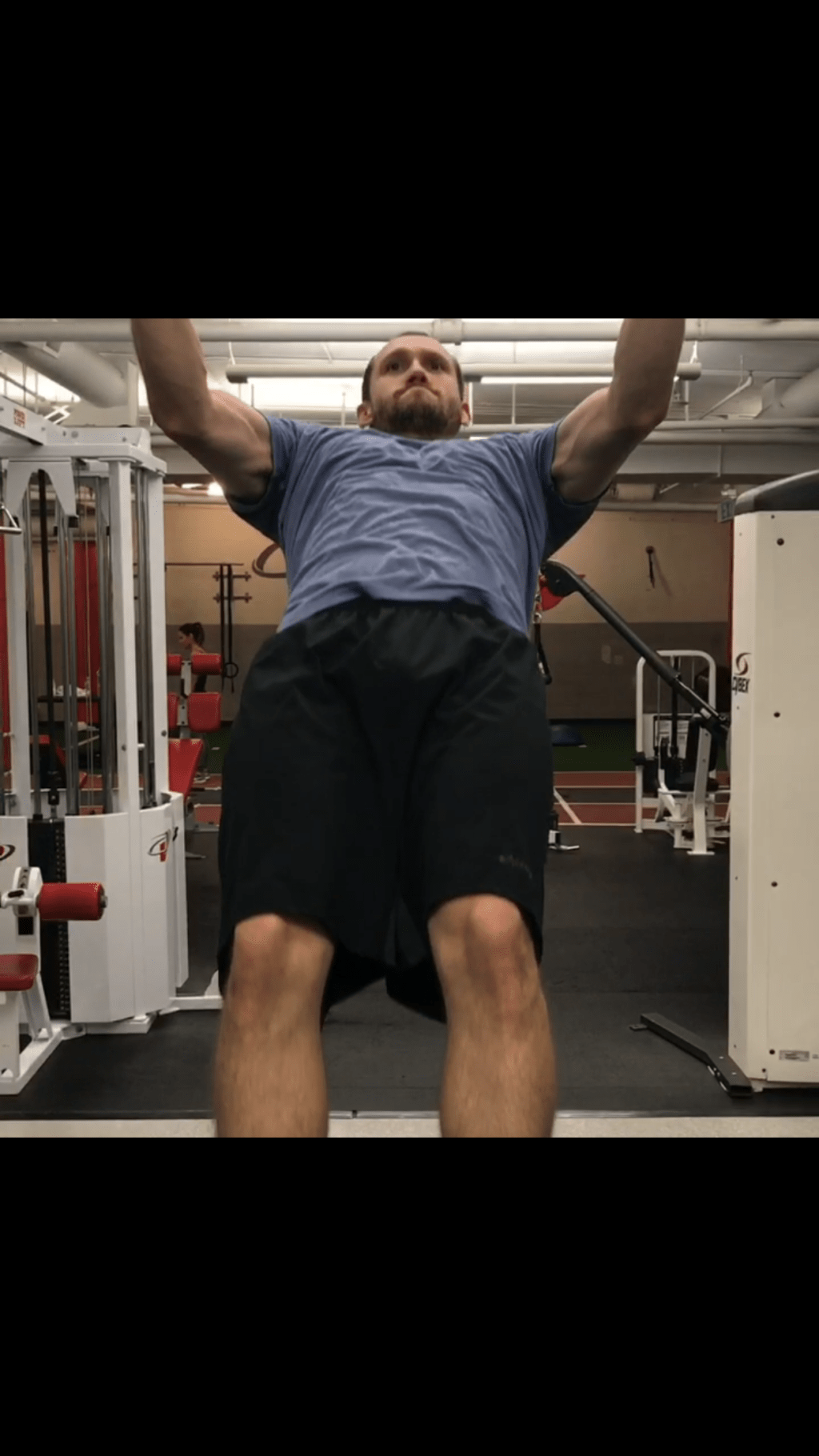
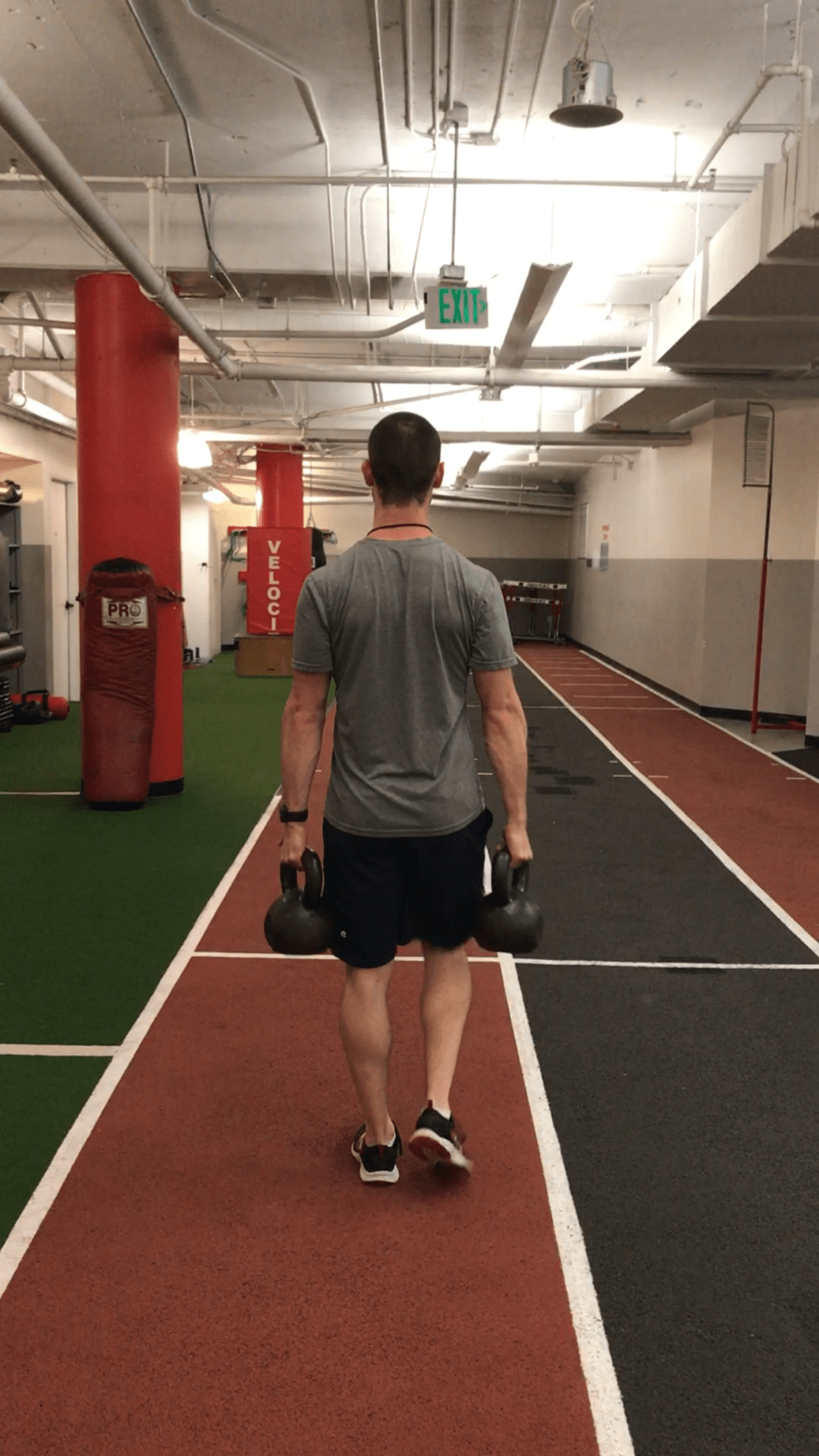
When preparing for Endurance events, training can be adjusted according to specific needs. Certain exercises will benefit specific athletes differently, but generally, when training for a running or biking event, exercises that train a single limb at a time, such as a split squat or lunge, will translate better to their event. If an athlete participates in rowing events, bilateral exercises such as squats and deadlifts will benefit the athlete more. Training modalities should remain the same for short periods of 3-6 weeks and adjusted for a subsequent cycle of another 3-6 weeks will help the athlete to reduce injury risk and obtain the best results from their training; changes such as performing 3 sets of 20 repetitions during the first cycle and 4 sets of 6-8 repetitions during the second cycle. Also important, changing exercises, even if only a minor change such as switching from dumbbells to a barbell, elevation of the feet, angle of the feet, etc. all go a long way to continuing to get stronger and increase endurance.
For more information, please contact me!
tsloan13@ucsbalum.com
(818) 726-2362
Or click here to contact me now!
 Kaizen Athletic Performance