Rules for beginning a safe resistance training routine!

I came across this question on Quora (if you haven't heard of this site, you're missing out on a great learning opportunity!) today and I decided to attempt to help this young man out. 

He was hoping to build muscle in order to resemble a specific actor in one of his parts. I wrote about several important factors to take into consideration when attempting to gain size, build metabolism and lose fat. 

Take a look at my rules:

https://www.quora.com/How-do-I-gain-weight-fast-without-taking-supplements/answer/Ted-Sloan-2?share=ed8a135d&srid=3iGMQ

Preparing for an Endurance Event

Strength is often an overlooked aspect to preparing for endurance events, but simultaneously a very important one. The human body was not built to be able to withstand endurance training and therefore it is important to counteract any negative impacts that it may have.

Studies show that even minimal strength training when preparing for an endurance event can help to reduce finishing times by as much as 8%. To put this into perspective, a properly designed strength program for an endurance athlete can reduce the amount of time it takes an athlete to complete a marathon, if their time to completion was originally 4 hours without strength training, can be cut down to only 3 hours and 40 minutes; that is a 20 minute reduction in time! When an athlete builds strength, each repetition (pedaling, stepping, rowing) requires less overall energy to complete; in the end this saves energy for later in the event. Further, mitochondrial size, amount, and efficiency are all enhanced by specific modalities of strength training.

When muscles, tendons, ligaments, bones and joints are trained through strength, it increases their resilience to injury, increasing longevity on top of the performance benefits.

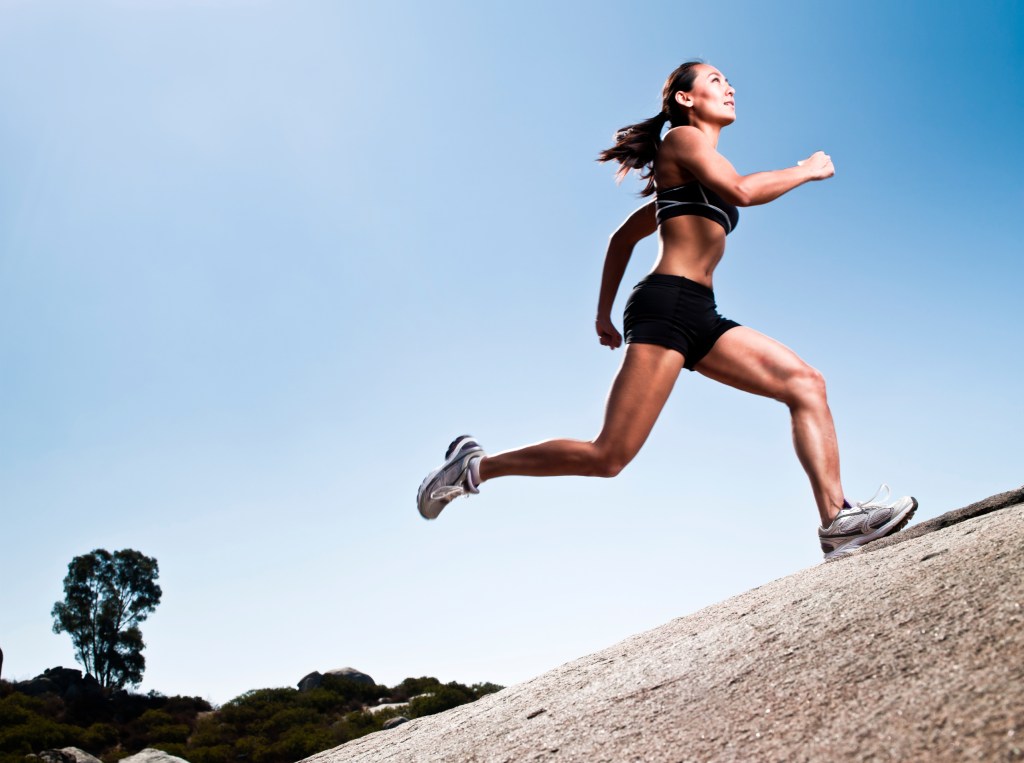
When preparing for Endurance events, training can be adjusted according to specific needs. Certain exercises will benefit specific athletes differently, but generally, when training for a running or biking event, exercises that train a single limb at a time, such as a split squat or lunge, will translate better to their event. If an athlete participates in rowing events, bilateral exercises such as squats and deadlifts will benefit the athlete more. Training modalities should remain the same for short periods of 3-6 weeks and adjusted for a subsequent cycle of another 3-6 weeks will help the athlete to reduce injury risk and obtain the best results from their training; changes such as performing 3 sets of 20 repetitions during the first cycle and 4 sets of 6-8 repetitions during the second cycle. Also important, changing exercises, even if only a minor change such as switching from dumbbells to a barbell, elevation of the feet, angle of the feet, etc. all go a long way to continuing to get stronger and increase endurance.

For more information, please contact me!

tsloan13@ucsbalum.com

(818) 726-2362

Or click here to contact me now!
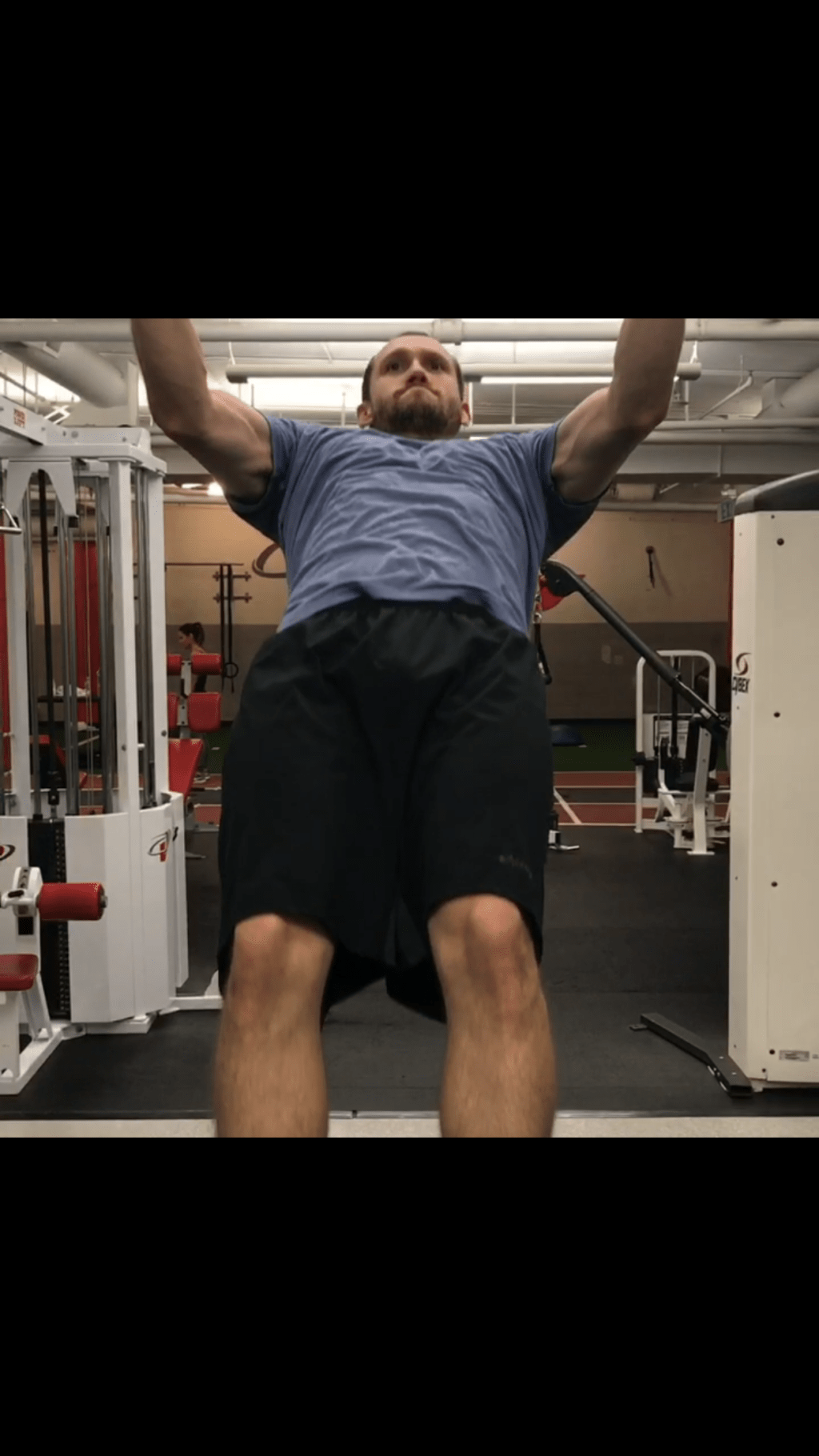
Chin-Up variation

Pull-Ups

The pull-up is an amazing exercise. Often times we focus on attempting to get our chin to the bar, however the best queue to picture mentally is to drive your elbows down through the floor explosively and then back. This allows us to activate the correct musculature and in the correct order, and makes the exercise easier. Even more important, most athletes either do not have the strength to engage the lats at the top of the movement by rounding their shoulders as far back as they can, instead, allowing their shoulders to round forward. This error can actually cause a significant amount of harm and compensation.

The pull-up for the upper body can be compared to the deadlift for the lower body (it works nearly the entire upper body, including triceps and pecs!). For athletes, the pull-up trains many of the muscles used in gripping, pulling, holding, throwing, hitting, swinging and even pressing (if performed properly).

This movement is important for everyone, but many trainees have difficulty improving them or even achieving their first one. Unfortunately to say, extra weight can have a huge impact on pull-up performance. Once weight decreases to sub 20% BF, a pull-up can become significantly easier to achieve. One of the most important attributes to train for those who wish to achieve their first pull-up is the isometric strength to hold oneself above the bar with the shoulders rolled back and down, so as to activate the lats, for as long as possible. As BF decreases, the strength trained from these holds will go a long way to achieving that first pull-up more quickly. 

Take a look at a few videos on pull-ups that I have recorded! Thanks for reading!

Speed & Power Development

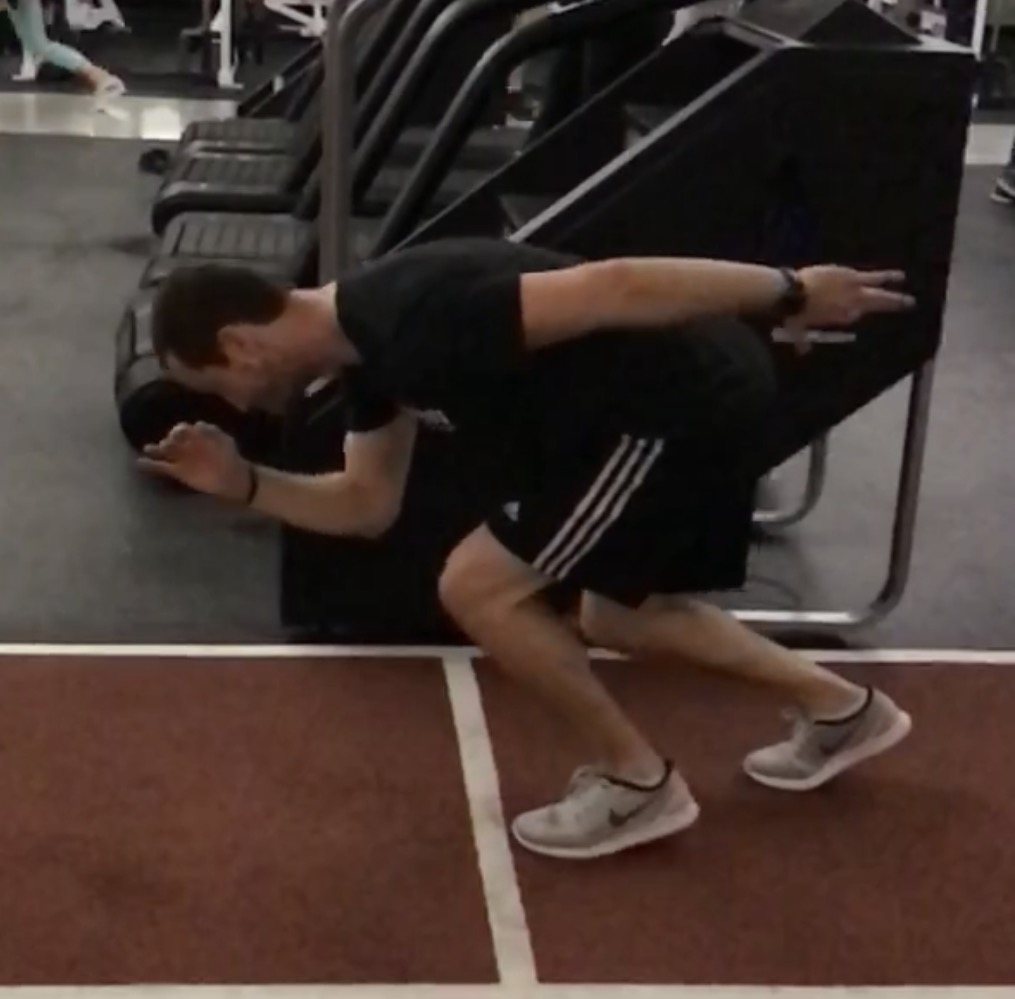
Speed and power are intricate abilities and should be progressively introduced and developed. Tools such as the “speed ladder,” also known as the “agility ladder” provide false hopes to those looking to develop a quick first step.

Many sport coaches, especially in the field of volleyball, search for programs that will help their athletes jump higher and move faster, when these programs do not bother to take into consideration individual athlete differences and needs. On top of this point, power is an expression of strength and in order to develop power to the greatest extent possible, it is highly important to have a great strength base. Searching for programs online that promote an incredible amount of extra jumping and running when athletes are already performing these movements dozens of times during practice and competition, create extreme amounts of stress on the athletes that only further increase risk of injury.

A vast majority of power is produced by the posterior chain complex (gluteal muscles and hamstrings in particular), so it is important that these muscles are strengthened through exercises such as deadlifts and hip thrusters. After long seasons in many sports, such as hockey and skiing, the quadriceps muscles receive a majority of stress, which can diminish strength and power of the hamstring fibers; in order to prevent injuries, it is necessary to redevelop these muscles.

Search for the best Strength & Conditioning near you that can help you accomplish your specific goals at places such as the National Strength & Conditioning Association’s web site!