Youth Baseball Athlete Development and Maintaining Health

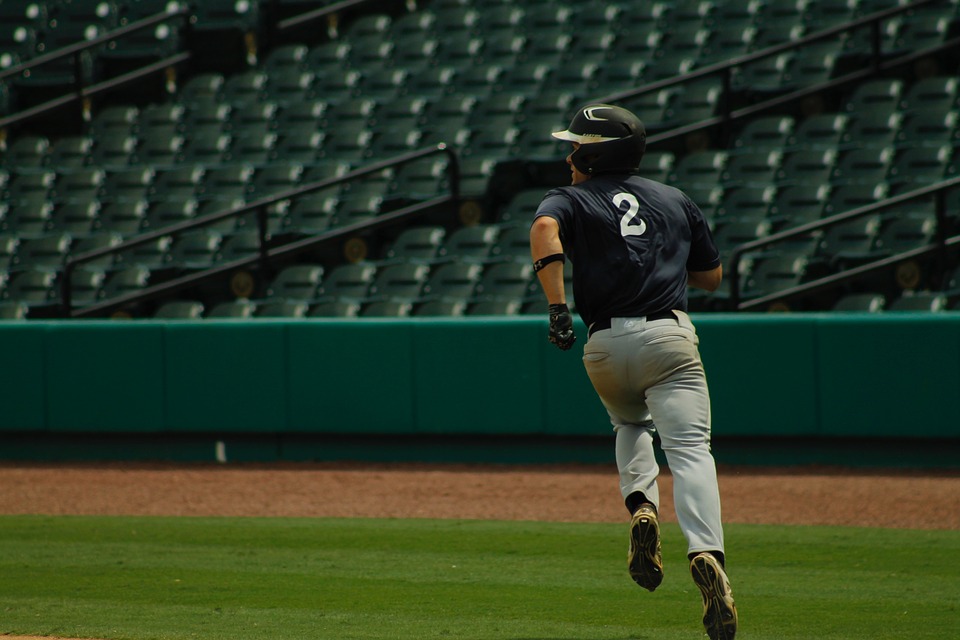
Spring marks the start of a new baseball season. With Youth baseball just beginning to get underway, many of my young ball players are leaving me to focus on their season. Professional baseball players have been gone for 2-4 weeks. High school baseball has been running for around 3 weeks and tough to keep up with, having athletes representing several schools in the Santa Monica and other Los Angeles areas.

I spoke recently about youth hockey development in the Los Angeles area and how training for hockey out here can pose many benefits to training on the hockey crazed east coast. Unfortunately, baseball is a whole different animal. The west coast is a power house at producing baseball players and as a result, many club baseball coaches like to take advantage of the desire parents have for their children to stay competitive by keeping them involved for as long as possible through the year. I’ve heard of some youth baseball players taking as little as 4 weeks a year off from throwing; and people wonder why there’s an epidemic of Tommy John surgeries in baseball and now other sports.

Proper strength training for little league baseball is critical. Proper training programs can help an athlete develop stronger tendons and muscles which can reduce the chance of requiring surgery. Any risks associated with sport performance and baseball in particular, especially, but not limited to shoulder health, are greatly reduced from a well monitored and individualized strength and conditioning program. Throwing strength and sprinting speed go up dramatically, which is vital for pitchers and position players being tested in their 60 yard sprint times.

Youth baseball or club baseball in the Los Angeles region pose its own negatives in an athlete’s health aside from the obvious shoulder and elbow problems it introduces. Just as mentioned in my post about youth hockey, which you can access in the link at the bottom of this entry, playing only one sport can set an athlete up for future failure, reduced athleticism and potential increases in injury due to lack of training other activities and movements. Strength and conditioning from a qualified coach can limit these risks if an athlete has decided to specialize at a younger age.

I have been fortunate to work with several professional baseball players, multiple collegiate, including the entire UCLA baseball program and elite level high school baseball athletes. These range from pitchers to position players, males and females alike. If you have any questions regarding training for your youth athlete, contact me today!

Youth Hockey Development in Los Angeles.

The Truth About Peaking for Maximal Performance

Here is another dual Breaking Muscle post on best methods to prepare for a specific event and the truth about peaking for Maximal Performance!

Take a look here!

Working with Athletes

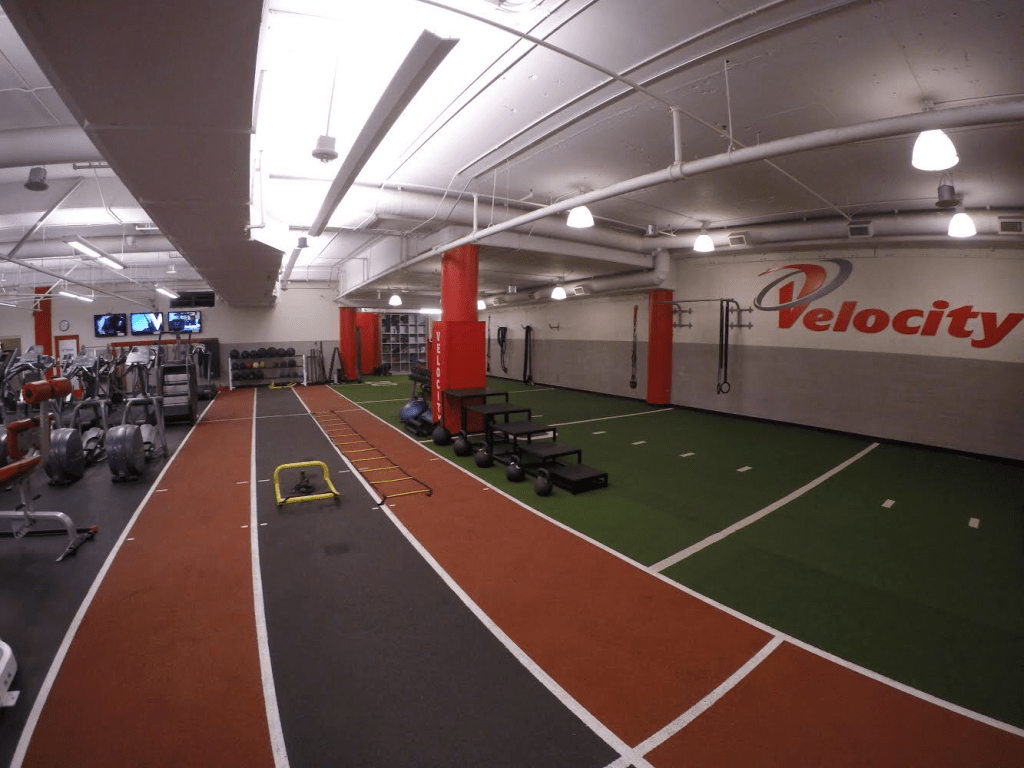
I primarily Coach athletes and especially youth athletes. As a result of the majority group that I work with, before and after pictures are few and far between. Rather, the accolades that my athletes collect are our before and after success stories. Although my athletes and I are often confined to a gym setting, with minimal space and the right tools, we don’t need a field and a ball to improve significantly. In my training, I promote the necessity to move well before all else. Moving well consists of being able to control the body through acceleration and deceleration, jumping and landing, agility, balance, and strength and stability in many planes. We then work to build strength so that we can build a base to control and create all movement; as a result, building a base of strength, even with children through body weight exercise, is important. Power is an expression of strength in a rapid manner and therefore a base of strength can become even more vital. Many youth volleyball and basketball coaches often search for the ultimate vertical jump building guide, finding that they either don’t help or work for a short period and progress stalls. With proper strength and power development, athletes can make long term improvements; just as Kaizen states: constant and never ending improvement. Early this week, one of my new female soccer athletes relayed to me that she had played significantly better than she had ever in her weekend tournament, leading her coach to name her team captain for the week. Although this isn’t exactly being named league MVP, it proves in the power of proper athletic development and confidence building that this form of training can provide. To make things even more impressive, I have only had the opportunity to see her one time a week for the last four weeks, including this one.

With proper supervision, planning, development and progression, any athlete with the right drive can be developed into a faster, stronger, more confident and dominant one. Find a great Athletic Performance Coach near you at the National Strength & Conditioning Association’s site. If you’re in the Los Angeles area, contact me at (818) 726-2362!

Never stop improving!

Proper programming and finding a great coach!

John Wooden once said “failing to plan is planning to fail.” This applies in life, sport and in coaching. Programming is a necessary, but often challenging aspect to coaching. For a coach, it is important to create a plan and have a blueprint in order to help themselves, their athletes and their trainees reach their goals in as quickly a manner as possible. If you understand what a coach has to consider to create a good program, it can help you identify a good coach or even help you understand how to program for yourself.

To better understand coaching and programming, we can look at the multitude of aspects that must be taken into consideration. It’s not enough to put together a list of exercises and just perform them. Many factors must be considered, such as:

• Actual age

• Training age

• Goals (there can even be more than one)

• Time to train weekly

• Event or activity training for

• Changes in eating

• Recovery

Beyond the basic specifics that have to be taken into consideration, other factors have to be looked at as well. These include but are not limited to:

Time under tension

• Isometric pauses

• Deloads

• Mobility

• Proper strength ratios between antagonistic muscle groups as well as those between opposing limbs

• Exercise selection

• Training specific muscles to reduce injury, (i.e. semitendinosus hamstring fibers vs biceps femoris and/or semimembranosis)

It’s nearly impossible to learn all of these requirements from one direct source, often requiring multiple books, mentors, classes and life experiences. Programming, just like coaching can require 10,000 hours to master, which is why many great facilities, such as Results Fitness, run by Alwyn and Rachel Cosgrove in California, employ staff who’s sole responsibility is programming for their members.

Some of the best sources that have helped me to become better at programming for my athletes and clientele are Charles Poliquin‘s books (specifically the “Poliquin Principles”) and courses, various podcasts, Triphasic Training by Cal Deitz, Louie Simmons’ Conjugate method, and articles on the various differences between different periodization methods, such as block, undulating, linear, conjugate, etc.

Exercise and Workout Programming Resources

There is a never-ending supply of information to learn from, both scientific and in-gym proven based methods. As legendary strength coach Charles Poliquin states, “the human body hasn’t changed much in the last 150 years.” We have training data dating back to the Roman and Ancient Chinese Empire’s that can be utilized efficiently today! In reality, the human body truly hasn’t changed much in the last 100,000 years.

The best place to begin when trying to become proficient at program design is through specific certifications. Many certifications exist that help coaches to begin to understand program design that has been proven to work and are often based on work that has been developed by coaches before them. Some of these include:

• Charles Poliquin’s basic and advanced program design courses

Michael Boyle‘s Certified Functional Strength Coach

Joe Defranco and Diesel’s Certified Physical Preparation Specialist

• CHEK Exercise Coach C.H.E.K. Practitioner Program

These are all amazing certifications, but it is important to make sure not to only take from one modality. There’s something to learn from everyone, so it’s important never to get caught in the belief that you know everything. Further learning can be taken from these individual certifications’ assessments, but others exist in the field that can potentially be useful. These include:

Functional Movement Screen

Dr. Nicholas Romanov’s Pose Method

Paul Chek’s Holistic Lifestyle Coach Certification

And truly in-depth programs such as Postural Restoration Institute’s 3 introductory courses.

When searching for a coach, some of this information can become useful as well. Going in to your assessment or initial intake with your new potential coach, it is important to have your ducks in a row. Make sure you know what you want out of your training experience and be ready to list all of your major injuries and issues; your coach should have some ideas or be able to put an action plan together almost immediately, or not be afraid to admit if they do not know the full answer to a question or problem and at least be willing to research it. If your coach can’t break things down in a way that makes sense to a 5 year old, then they often do not have a clue about what they are explaining. Look up short articles by some of the coaches I have previously mentioned and create a small base of knowledge on a topic that interests you and see if your coach can answer more detailed questions regarding some of these interests.

Finding a great coach can be one of the most challenging things to do, but great certification programs such as those listed previously, often have a database of certified coaches in your area that can potentially be a great fit for you!

Later in the learning experience, I’ve found that great sources of information can be taken from seminars and podcasts. Even one tidbit from each source can make the difference in you improving for the rest of your life. Kaizen stands for “constant and never-ending improvement” and this is one of my core principles. It’s important to always keep learning and improving your craft, even if it is the most minute piece of information, that may help only one particular client achieve better results.

Link to the article:

http://breakingmuscle.com/fitness/learning-programming-and-finding-a-good-coach
Developing Power the Easy Way!

A great alternative to the power clean that can help develop explosive power just as efficiently. If you haven't taken a look at my previous post on why it is important to develop strength before power, please take a look there first! Otherwise, be prepared to see minimal results!

The Importance of Strength Development before power!

Variation on the Power Clean

Rules for beginning a safe resistance training routine!

I came across this question on Quora (if you haven't heard of this site, you're missing out on a great learning opportunity!) today and I decided to attempt to help this young man out. 

He was hoping to build muscle in order to resemble a specific actor in one of his parts. I wrote about several important factors to take into consideration when attempting to gain size, build metabolism and lose fat. 

Take a look at my rules:

https://www.quora.com/How-do-I-gain-weight-fast-without-taking-supplements/answer/Ted-Sloan-2?share=ed8a135d&srid=3iGMQ

Preparing for an Endurance Event

Strength is often an overlooked aspect to preparing for endurance events, but simultaneously a very important one. The human body was not built to be able to withstand endurance training and therefore it is important to counteract any negative impacts that it may have.

Studies show that even minimal strength training when preparing for an endurance event can help to reduce finishing times by as much as 8%. To put this into perspective, a properly designed strength program for an endurance athlete can reduce the amount of time it takes an athlete to complete a marathon, if their time to completion was originally 4 hours without strength training, can be cut down to only 3 hours and 40 minutes; that is a 20 minute reduction in time! When an athlete builds strength, each repetition (pedaling, stepping, rowing) requires less overall energy to complete; in the end this saves energy for later in the event. Further, mitochondrial size, amount, and efficiency are all enhanced by specific modalities of strength training.

When muscles, tendons, ligaments, bones and joints are trained through strength, it increases their resilience to injury, increasing longevity on top of the performance benefits.

When preparing for Endurance events, training can be adjusted according to specific needs. Certain exercises will benefit specific athletes differently, but generally, when training for a running or biking event, exercises that train a single limb at a time, such as a split squat or lunge, will translate better to their event. If an athlete participates in rowing events, bilateral exercises such as squats and deadlifts will benefit the athlete more. Training modalities should remain the same for short periods of 3-6 weeks and adjusted for a subsequent cycle of another 3-6 weeks will help the athlete to reduce injury risk and obtain the best results from their training; changes such as performing 3 sets of 20 repetitions during the first cycle and 4 sets of 6-8 repetitions during the second cycle. Also important, changing exercises, even if only a minor change such as switching from dumbbells to a barbell, elevation of the feet, angle of the feet, etc. all go a long way to continuing to get stronger and increase endurance.

For more information, please contact me!

tsloan13@ucsbalum.com

(818) 726-2362

Or click here to contact me now!

Chin-Up variation

Pull-Ups

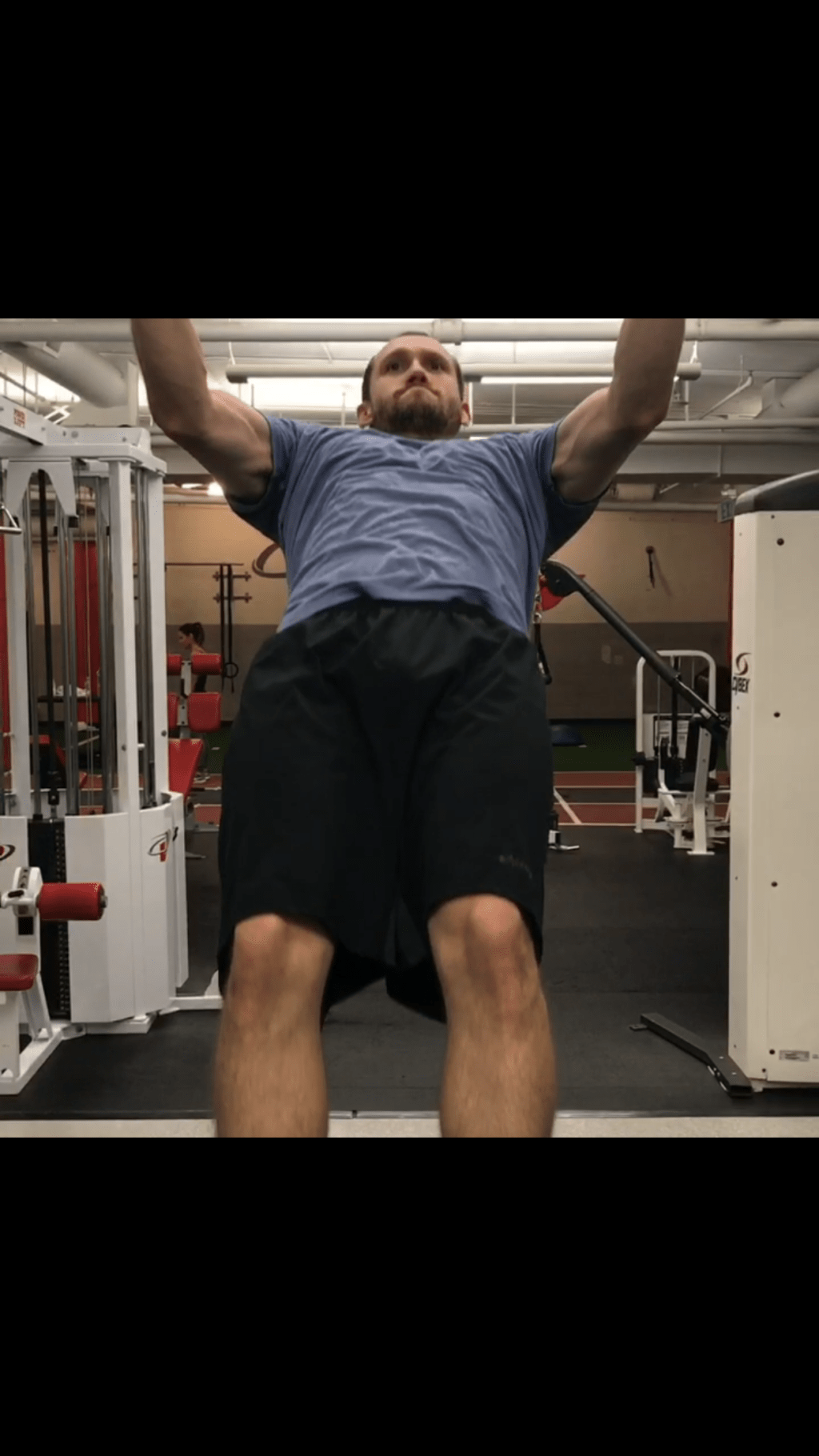
The pull-up is an amazing exercise. Often times we focus on attempting to get our chin to the bar, however the best queue to picture mentally is to drive your elbows down through the floor explosively and then back. This allows us to activate the correct musculature and in the correct order, and makes the exercise easier. Even more important, most athletes either do not have the strength to engage the lats at the top of the movement by rounding their shoulders as far back as they can, instead, allowing their shoulders to round forward. This error can actually cause a significant amount of harm and compensation.

The pull-up for the upper body can be compared to the deadlift for the lower body (it works nearly the entire upper body, including triceps and pecs!). For athletes, the pull-up trains many of the muscles used in gripping, pulling, holding, throwing, hitting, swinging and even pressing (if performed properly).

This movement is important for everyone, but many trainees have difficulty improving them or even achieving their first one. Unfortunately to say, extra weight can have a huge impact on pull-up performance. Once weight decreases to sub 20% BF, a pull-up can become significantly easier to achieve. One of the most important attributes to train for those who wish to achieve their first pull-up is the isometric strength to hold oneself above the bar with the shoulders rolled back and down, so as to activate the lats, for as long as possible. As BF decreases, the strength trained from these holds will go a long way to achieving that first pull-up more quickly. 

Take a look at a few videos on pull-ups that I have recorded! Thanks for reading!

Speed & Power Development

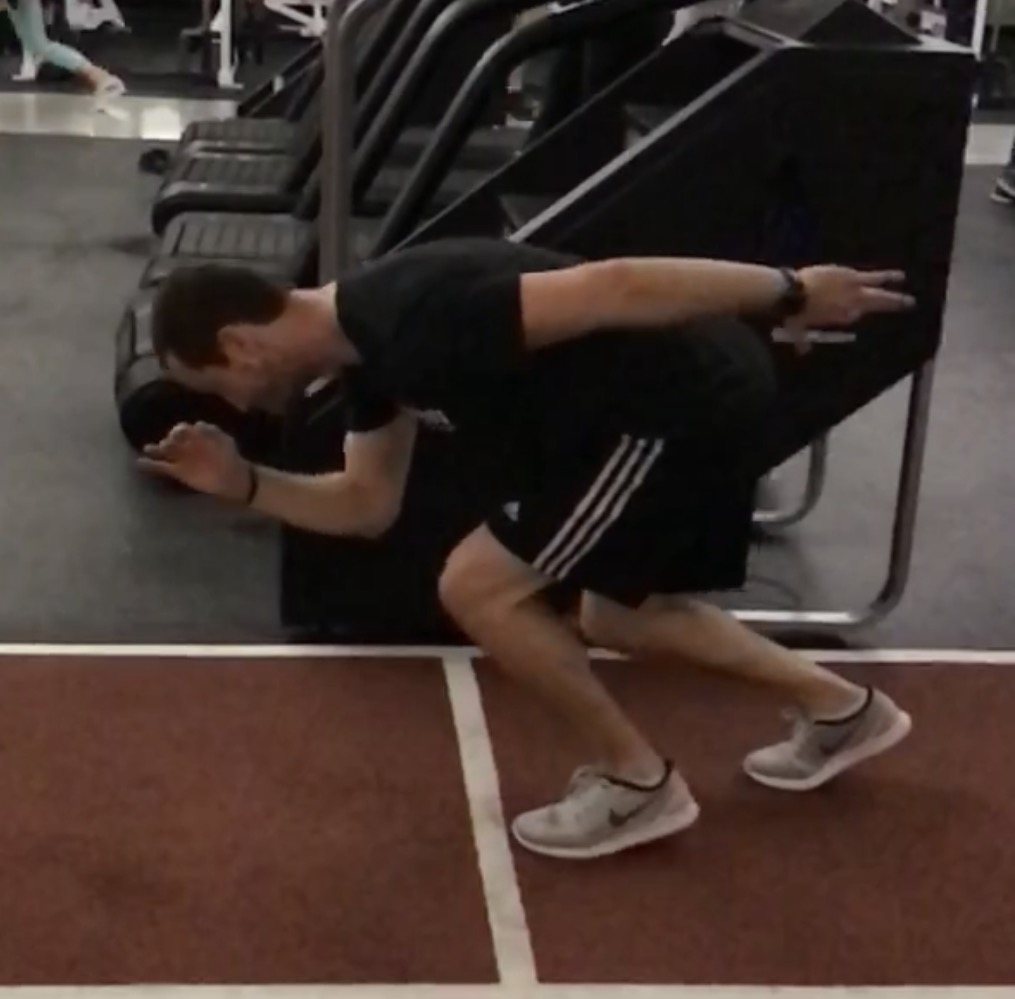
Speed and power are intricate abilities and should be progressively introduced and developed. Tools such as the “speed ladder,” also known as the “agility ladder” provide false hopes to those looking to develop a quick first step.

Many sport coaches, especially in the field of volleyball, search for programs that will help their athletes jump higher and move faster, when these programs do not bother to take into consideration individual athlete differences and needs. On top of this point, power is an expression of strength and in order to develop power to the greatest extent possible, it is highly important to have a great strength base. Searching for programs online that promote an incredible amount of extra jumping and running when athletes are already performing these movements dozens of times during practice and competition, create extreme amounts of stress on the athletes that only further increase risk of injury.

A vast majority of power is produced by the posterior chain complex (gluteal muscles and hamstrings in particular), so it is important that these muscles are strengthened through exercises such as deadlifts and hip thrusters. After long seasons in many sports, such as hockey and skiing, the quadriceps muscles receive a majority of stress, which can diminish strength and power of the hamstring fibers; in order to prevent injuries, it is necessary to redevelop these muscles.

Search for the best Strength & Conditioning near you that can help you accomplish your specific goals at places such as the National Strength & Conditioning Association’s web site!