Not Eating Enough Protein Can Lead to Early Death

Studies have shown that strength is an even more important predictor for longevity than any other factor, other than single leg balance. Fortunately, single leg balance can be improved more efficiently with a greater strength base.

As we age, our bodies go through significant changes. Around the age of 30, our metabolism begins to slow and our strength and power numbers begin to decrease. By the age of 60, we experience significant decays in strength and power; so much so, that strength into old age equates to living longer and happier lives. This means that it is vital to build a base of strength at younger ages.

Newer research has pointed to the need for greater quantities of daily protein intake. The previous minimum recommended intakes are completely insufficient! This new research suggests consuming quantities of a minimum of 1 gram per pound of body weight desired, especially into older age. As we age, digestion and absorption decrease, which leads to a further increased need for protein. Unfortunately, most people do not realize how little protein they are actually consuming on a regular basis. If you have never bothered to track the amount of food you eat on a regular basis, I dare you to do so, even for one day. I’ve seen regular protein intakes of less than 30 grams a day! Further, it’s often even more difficult for vegetarians and vegans to obtain enough protein. Plant foods are also less bioavailable than meat, which creates a roughly 15% additional deficit.

Lots of people often supplement their diets (yes, I said ‘diet’, that’s because what a person eats on a regular basis is the true definition of a diet) with powdered protein supplements. This is one such way, although not ideal, to get that much closer to their goal. Nothing can beat whole, non-processed foods, but sometimes, getting enough protein is so difficult and limiting for a person, that this is the way to go.

I’ve had tremendous success boosting my client’s amino acid consumption using powders, but especially through the use of a product called Perfect Aminos. Perfect Aminos provide a significant amount of the amino acids that are necessary for building and repairing skin, muscle and tendon strength. Amino Acids are what comprise protein, so this product allows a person to acquire more of their necessary amino acids to maintain their muscle mass into old age, or help build more in young age.

Try out these two amazing protein products to help you with your goals!

Perfect Aminos by Body Health

Organic Whey Protein Isolate from Grass Fed Cows

Neurotransmitter Profiling

As I have always preached, every person is highly individual. Every goal, every hormone, every gene, every response to training and every nutritional need is personal. Most of these factors are easy to adjust to, but the most challenging of which can often times be the precise training that each individual requires in order to expedite results and training enjoyment.

In Coach Charles Poliquin’s course, Neurotransmitter Profiling, I discovered the ultimate test to easily adapt anyone’s training to their particular needs, called the Braverman Test. To the ordinary person, this test can seem rather limited in information regarding training, but it can help me to know how often to rest someone, the repetition ranges that will benefit each individual more precisely and how often to adapt and adjust parameters.

I am immensely excited to put this knowledge to practice and continue to give my athletes, fat loss and weight gain clientele the best results possible in the shortest time possible!

Continued Learning

I have been bitten by the knowledge bug. I can’t stop and won’t stop learning. I love learning about strength training, customizing for individualizing to the greatest possible extent, health, nutrition, business, and the list goes on. I am truly excited for an upcoming seminar in Los Angeles from one of, if not the, greatest Strength & Conditioning Coach ever, Charles Poliquin.

Here, Coach Poliquin writes about his stumbling upon one of the answers that brought his programming a great deal closer to perfection. This is an amazing article for anyone to read, but can truly put individualization to the forefront of any Coach’s toolbox. He explains how our neurological profiling can dictate a person’s needs during training and even goes over supplementation for deficiencies in hormones. All of this can be found out through a simple pen and paper test!

Neuro Profile Based Program Design

Youth Baseball Athlete Development and Maintaining Health

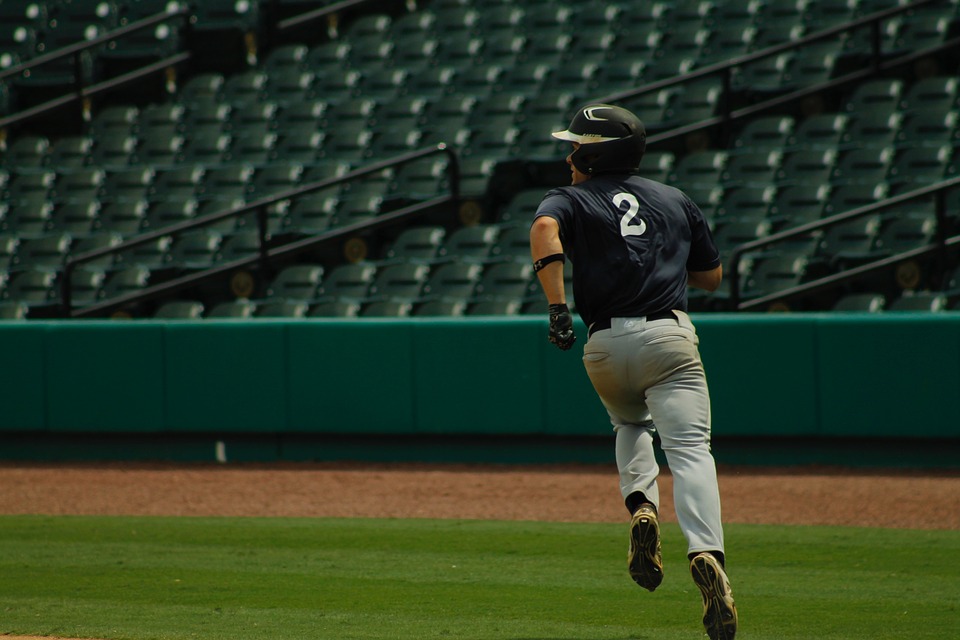
Spring marks the start of a new baseball season. With Youth baseball just beginning to get underway, many of my young ball players are leaving me to focus on their season. Professional baseball players have been gone for 2-4 weeks. High school baseball has been running for around 3 weeks and tough to keep up with, having athletes representing several schools in the Santa Monica and other Los Angeles areas.

I spoke recently about youth hockey development in the Los Angeles area and how training for hockey out here can pose many benefits to training on the hockey crazed east coast. Unfortunately, baseball is a whole different animal. The west coast is a power house at producing baseball players and as a result, many club baseball coaches like to take advantage of the desire parents have for their children to stay competitive by keeping them involved for as long as possible through the year. I’ve heard of some youth baseball players taking as little as 4 weeks a year off from throwing; and people wonder why there’s an epidemic of Tommy John surgeries in baseball and now other sports.

Proper strength training for little league baseball is critical. Proper training programs can help an athlete develop stronger tendons and muscles which can reduce the chance of requiring surgery. Any risks associated with sport performance and baseball in particular, especially, but not limited to shoulder health, are greatly reduced from a well monitored and individualized strength and conditioning program. Throwing strength and sprinting speed go up dramatically, which is vital for pitchers and position players being tested in their 60 yard sprint times.

Youth baseball or club baseball in the Los Angeles region pose its own negatives in an athlete’s health aside from the obvious shoulder and elbow problems it introduces. Just as mentioned in my post about youth hockey, which you can access in the link at the bottom of this entry, playing only one sport can set an athlete up for future failure, reduced athleticism and potential increases in injury due to lack of training other activities and movements. Strength and conditioning from a qualified coach can limit these risks if an athlete has decided to specialize at a younger age.

I have been fortunate to work with several professional baseball players, multiple collegiate, including the entire UCLA baseball program and elite level high school baseball athletes. These range from pitchers to position players, males and females alike. If you have any questions regarding training for your youth athlete, contact me today!

Youth Hockey Development in Los Angeles.

Hockey arena.

Developing the Youth Hockey Athlete in Los Angeles

Club Hockey in Los Angeles is just coming to a close as competitive teams are preparing for youth nationals in the next 2 weeks. Club hockey, just like other club sports, often make it difficult for the youth athletes to complete the training they need in the weight room. These club sports are often supplements to school sports and take up so much time that athletes no longer have the ability to play other sports and become well rounded, healthy, strong and high performing athletes, instead, becoming frail, specialized athletes with limited athletic ability that often perform extremely well initially, but due to lack of athleticism, tend to fall behind their peers quickly.

Specializing after one enters high school becomes ideal, but should often be supplemented with a proper strength and conditioning program in order to optimize performance through power, strength, stability, conditioning and prehabilitative work. One weakness in any of these previously mentioned traits, can increase an athlete’s risk for injury and significantly reduce longevity in sport, if one is looking to play collegiate and professional sports. Hockey in Southern California is a different animal. Because hockey is bigger on the East Coast, there is a lack of hockey programs in schools; this can be a blessing in disguise. Because of this forced time off from the sport, it often allows athletes to participate in other sports and strength and conditioning.

Hockey is an incredibly demanding sport. The amount of collisions that occur, liken it to football, so proper neck strengthening is vital to reduce the likelihood of concussions. I’m high impact sports, the stronger and more muscle an athlete has on their frame, the lower the risk of injuries. Due to the cast-like effect of wearing skates, which significantly reduce the range of motion of the ankle, a joint intended for mobility, the body often likes to take that mobility from other areas up the chain (often times, the knees). Exercises to strengthen the knees and mobilize the ankles are extremely important. Further, most power is created through the hamstrings, which are neglected in favor of the quadriceps during skating. This imbalance is vital to correct during periods of rest.

This is only touching the surface. Youth hockey in Los Angeles can set an athlete up for greater success than how hockey is ran on the East Coast, as long as one takes advantage of the other opportunities presented. Coach Ted has worked with multiple professional, collegiate and elite level high school hockey players over the years and has been trained by arguably the best hockey strength and conditioning coach in the world, Charles Poliquin.

Better Sleep Tonight!

Many of us experience problems sleeping from time to time. In fact, studies show that there is a correlation between instances of overweight populous in every country in the world and poor sleep; these percentages often equate to nearly identical.

Sleep is the most important thing we can do for our bodies. We repair our brain and our body while sleeping and it is nearly impossible to make up any lost sleep in the future, which causes a compounding affect. Here are my top recommendations for sleep.

Temperature:

Studies show that ideal room temperature when attempting to sleep is 60-68 degrees. Anything above or below could compromise sleep quality and ability to fall asleep.

Avoiding extended rigorous activity:

Can coincide with temperature. Internal body temperature can rise with activity. Most people experience difficulty sleeping after physical activity.

Diaphragmatic breathing:

Can help put one in a state of relaxation after activity or improper breathing throughout the day, which puts the nervous system into fight-or-flight mode. I like to practice this with what is called box breathing.

Meditation:

Can help calm the mind and focus on relaxing, instead of mind wandering thoughts.

Electro Magnetic Frequencies:

Keep cell phone, ideally turned off or as far away from the body as possible late at night and while attempting to sleep. Many hotels have regulations that reduce the electrical frequencies that escape wires in walls, but as soon as something is plugged into a wall socket, that socket becomes active and releases electrical frequencies into the room (try to unplug everything in your room when traveling before bed). At home, a great option would be to install an electrical kill switch in each room of the house that deactivates all electrical flow to that specific area when deactivated. Bluetooth signals should be turned off at night and WiFi signals including both electronics and routers should deactivated be as well.

Blue light:

Any light exposure prior to bed will reduce the bodies ability to produce melatonin (sleep hormone) for up to 2 hours and increases internal cortisol levels (wake up/stress hormone). Blue light especially is effective at this. This specific ray of light is produced in significant amounts by electronics. Try to turn off cell phones, computers and televisions several hours before bed. This is often challenging for most so some minor compromises can include dimming a screen to an orange hue, wearing blue light blocking glasses and using blue light blocking screens. Many LED lights are produced in this hue, so attempt to purchase those with “natural lighting.” iPhones have this option built in and can even be adjusted in settings to more efficiently block out more blue light. F.Lux is an app for PC and Mac that can help with this as well. A great company that produces light bulbs with low blue light is Lighting science.

Here is a link to some blue light blocking glasses that work great and look good!

Supplementation:

  • Yin Reserve by Charles R. Poliquin is an amazingly effective supplement that helps to sleep without addictive properties or severe side-effects. It is designed around reducing anxiety and certainly does the job.
  • Melatonin should be used sparingly since dosages on packaging are often far greater than necessary and can cause the body to produce lesser amounts naturally. For melatonin supplementation, I recommend using a rub on cream and using between the thighs for better absorption.
  • Cannabidiol (CBD) can be effective at helping to sleep. This is a non-psychedelic and extremely healing component of hemp that can reduce cortisol and inflammation. Can be purchased at nearly any health food store now.

Anti-anxiety based herbs:

  • Valerian Root
  • Chamomile
  • Ashwaganda
  • Lavender
  • Passionflower
  • Magnolia bark
  • California poppy

Grateful log:

A grateful log has been scientifically shown to actually begin to change the mind and it’s focus. If we are stressed and angry throughout the day, a grateful log can help reset the mind and put you into a happy relaxed state, allowing for greater restfulness. Write in your log prior to bed, try writing 3 things you are grateful for on a daily basis. You can also write, one thing good you did, one good thing someone did to you and one good thing you observed today.

Carbohydrates before bed:

Try to include with fat to increase the time of release of glycogen. Low levels of insulin at night can cause a spike in cortisol and cause you to wake. Further, insulin helps to clear cortisol from the body. Consuming these macronutrients can help to keep you slightly more satiated throughout the night and prevent a spike in cortisol.

Consistency:

Another challenging one, but consistency with sleep helps immensely. Attempting to go to sleep at the same time every night helps. Studies have shown that our brain heals itself best between the hours of 10 PM and 2 AM and the body heals best between 2 AM and 6 AM. These times are very important, so try to get to bed by 10 PM at the latest when possible.

Caffeine:

Caffeine has a half-life of 6 hours, which means that after 6 hours, the caffeine you consumed has only half dissipated from the body. If you have a 300mg of caffeine beverage at 12 PM, by 6 PM you will have 150mg still circulating in your system; by 12 AM, there is still roughly 75mg floating around. Try to keep caffeinated beverages to a minimum and the earlier the better. Although some people do not have problems sleeping after consuming caffeine, it can still have a negative affect on the body, such as increasing cortisol, increasing inflammation, decreasing quality of sleep, etc. If a person is experiencing symptoms related to Chronic Fatigue Syndrome, often times they attempt to remedy this issue with more caffeine which can cause a compounding affect. Be careful with this amazing drug!

The Truth About Peaking for Maximal Performance

Here is another dual Breaking Muscle post on best methods to prepare for a specific event and the truth about peaking for Maximal Performance!

Take a look here!

Working with Athletes

I primarily Coach athletes and especially youth athletes. As a result of the majority group that I work with, before and after pictures are few and far between. Rather, the accolades that my athletes collect are our before and after success stories. Although my athletes and I are often confined to a gym setting, with minimal space and the right tools, we don’t need a field and a ball to improve significantly. In my training, I promote the necessity to move well before all else. Moving well consists of being able to control the body through acceleration and deceleration, jumping and landing, agility, balance, and strength and stability in many planes. We then work to build strength so that we can build a base to control and create all movement; as a result, building a base of strength, even with children through body weight exercise, is important. Power is an expression of strength in a rapid manner and therefore a base of strength can become even more vital. Many youth volleyball and basketball coaches often search for the ultimate vertical jump building guide, finding that they either don’t help or work for a short period and progress stalls. With proper strength and power development, athletes can make long term improvements; just as Kaizen states: constant and never ending improvement. Early this week, one of my new female soccer athletes relayed to me that she had played significantly better than she had ever in her weekend tournament, leading her coach to name her team captain for the week. Although this isn’t exactly being named league MVP, it proves in the power of proper athletic development and confidence building that this form of training can provide. To make things even more impressive, I have only had the opportunity to see her one time a week for the last four weeks, including this one.

With proper supervision, planning, development and progression, any athlete with the right drive can be developed into a faster, stronger, more confident and dominant one. Find a great Athletic Performance Coach near you at the National Strength & Conditioning Association’s site. If you’re in the Los Angeles area, contact me at (818) 726-2362!

Never stop improving!

Proper programming and finding a great coach!

John Wooden once said “failing to plan is planning to fail.” This applies in life, sport and in coaching. Programming is a necessary, but often challenging aspect to coaching. For a coach, it is important to create a plan and have a blueprint in order to help themselves, their athletes and their trainees reach their goals in as quickly a manner as possible. If you understand what a coach has to consider to create a good program, it can help you identify a good coach or even help you understand how to program for yourself.

To better understand coaching and programming, we can look at the multitude of aspects that must be taken into consideration. It’s not enough to put together a list of exercises and just perform them. Many factors must be considered, such as:

• Actual age

• Training age

• Goals (there can even be more than one)

• Time to train weekly

• Event or activity training for

• Changes in eating

• Recovery

Beyond the basic specifics that have to be taken into consideration, other factors have to be looked at as well. These include but are not limited to:

Time under tension

• Isometric pauses

• Deloads

• Mobility

• Proper strength ratios between antagonistic muscle groups as well as those between opposing limbs

• Exercise selection

• Training specific muscles to reduce injury, (i.e. semitendinosus hamstring fibers vs biceps femoris and/or semimembranosis)

It’s nearly impossible to learn all of these requirements from one direct source, often requiring multiple books, mentors, classes and life experiences. Programming, just like coaching can require 10,000 hours to master, which is why many great facilities, such as Results Fitness, run by Alwyn and Rachel Cosgrove in California, employ staff who’s sole responsibility is programming for their members.

Some of the best sources that have helped me to become better at programming for my athletes and clientele are Charles Poliquin‘s books (specifically the “Poliquin Principles”) and courses, various podcasts, Triphasic Training by Cal Deitz, Louie Simmons’ Conjugate method, and articles on the various differences between different periodization methods, such as block, undulating, linear, conjugate, etc.

Exercise and Workout Programming Resources

There is a never-ending supply of information to learn from, both scientific and in-gym proven based methods. As legendary strength coach Charles Poliquin states, “the human body hasn’t changed much in the last 150 years.” We have training data dating back to the Roman and Ancient Chinese Empire’s that can be utilized efficiently today! In reality, the human body truly hasn’t changed much in the last 100,000 years.

The best place to begin when trying to become proficient at program design is through specific certifications. Many certifications exist that help coaches to begin to understand program design that has been proven to work and are often based on work that has been developed by coaches before them. Some of these include:

• Charles Poliquin’s basic and advanced program design courses

Michael Boyle‘s Certified Functional Strength Coach

Joe Defranco and Diesel’s Certified Physical Preparation Specialist

• CHEK Exercise Coach C.H.E.K. Practitioner Program

These are all amazing certifications, but it is important to make sure not to only take from one modality. There’s something to learn from everyone, so it’s important never to get caught in the belief that you know everything. Further learning can be taken from these individual certifications’ assessments, but others exist in the field that can potentially be useful. These include:

Functional Movement Screen

Dr. Nicholas Romanov’s Pose Method

Paul Chek’s Holistic Lifestyle Coach Certification

And truly in-depth programs such as Postural Restoration Institute’s 3 introductory courses.

When searching for a coach, some of this information can become useful as well. Going in to your assessment or initial intake with your new potential coach, it is important to have your ducks in a row. Make sure you know what you want out of your training experience and be ready to list all of your major injuries and issues; your coach should have some ideas or be able to put an action plan together almost immediately, or not be afraid to admit if they do not know the full answer to a question or problem and at least be willing to research it. If your coach can’t break things down in a way that makes sense to a 5 year old, then they often do not have a clue about what they are explaining. Look up short articles by some of the coaches I have previously mentioned and create a small base of knowledge on a topic that interests you and see if your coach can answer more detailed questions regarding some of these interests.

Finding a great coach can be one of the most challenging things to do, but great certification programs such as those listed previously, often have a database of certified coaches in your area that can potentially be a great fit for you!

Later in the learning experience, I’ve found that great sources of information can be taken from seminars and podcasts. Even one tidbit from each source can make the difference in you improving for the rest of your life. Kaizen stands for “constant and never-ending improvement” and this is one of my core principles. It’s important to always keep learning and improving your craft, even if it is the most minute piece of information, that may help only one particular client achieve better results.

Link to the article:

http://breakingmuscle.com/fitness/learning-programming-and-finding-a-good-coach

Developing Power the Easy Way!

A great alternative to the power clean that can help develop explosive power just as efficiently. If you haven't taken a look at my previous post on why it is important to develop strength before power, please take a look there first! Otherwise, be prepared to see minimal results!

The Importance of Strength Development before power!

Variation on the Power Clean